Supplements for Women in Singapore: Centrum for Women and Other Options by Life Stage
What women may need at different life stages, from iron and folic acid in the twenties and thirties to calcium and vitamin D after 50, and where a women's multivitamin like Centrum fits.
A women's multivitamin is often the first supplement many people buy for themselves, and Centrum for Women is one of the most familiar names on the shelf. But "women's" covers a huge range: a 24-year-old runner with heavy periods, a 34-year-old trying to conceive and a 58-year-old after menopause have quite different needs.
This guide works through the nutrients that matter most at each stage of adult life, explains where a women's multivitamin helps, and flags when a single-nutrient product or a blood test makes more sense.
What makes a "women's" formula different
Women's multivitamins aren't a completely different product. They're usually a standard multivitamin adjusted for nutrients that women are more likely to fall short on. Common adjustments include:
More iron in formulas for women of reproductive age, because monthly blood loss increases iron needs.
Folic acid at a level relevant to women who may become pregnant.
Less or no iron in 50+ formulas, because needs fall after menopause.
More calcium and vitamin D in some 50+ formulas, reflecting bone health priorities.
So a women's multivitamin is reasonable shorthand, but the version you choose should match your age and stage.
Twenties and thirties: iron and folic acid
Iron
Iron needs are highest during the menstruating years. Heavy periods, vegetarian or vegan diets, frequent blood donation and endurance sport all make low iron more likely. Common signs include tiredness that sleep doesn't fix, breathlessness on stairs and feeling the cold more than usual, though these have many other causes too.
A women's multivitamin such as Centrum For Women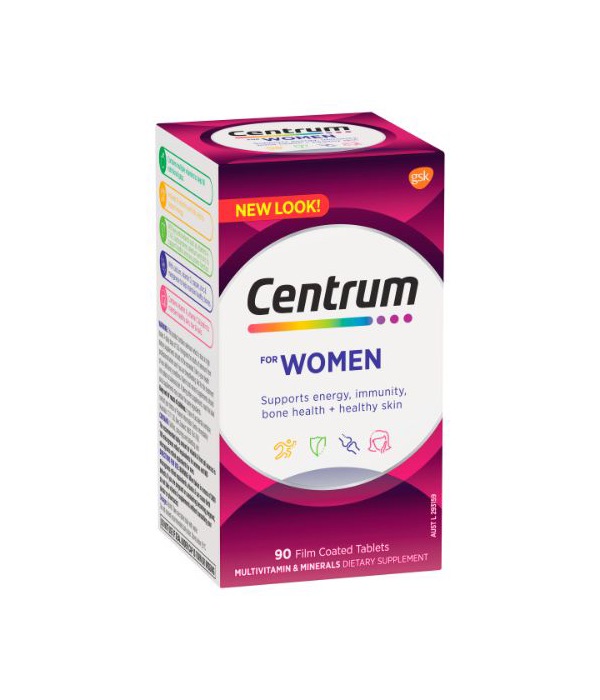 CentrumCentrum For Women Tablets 90sNutritional needs vary for Men & Women.S$43.99 or Swisse Women's Ultivite
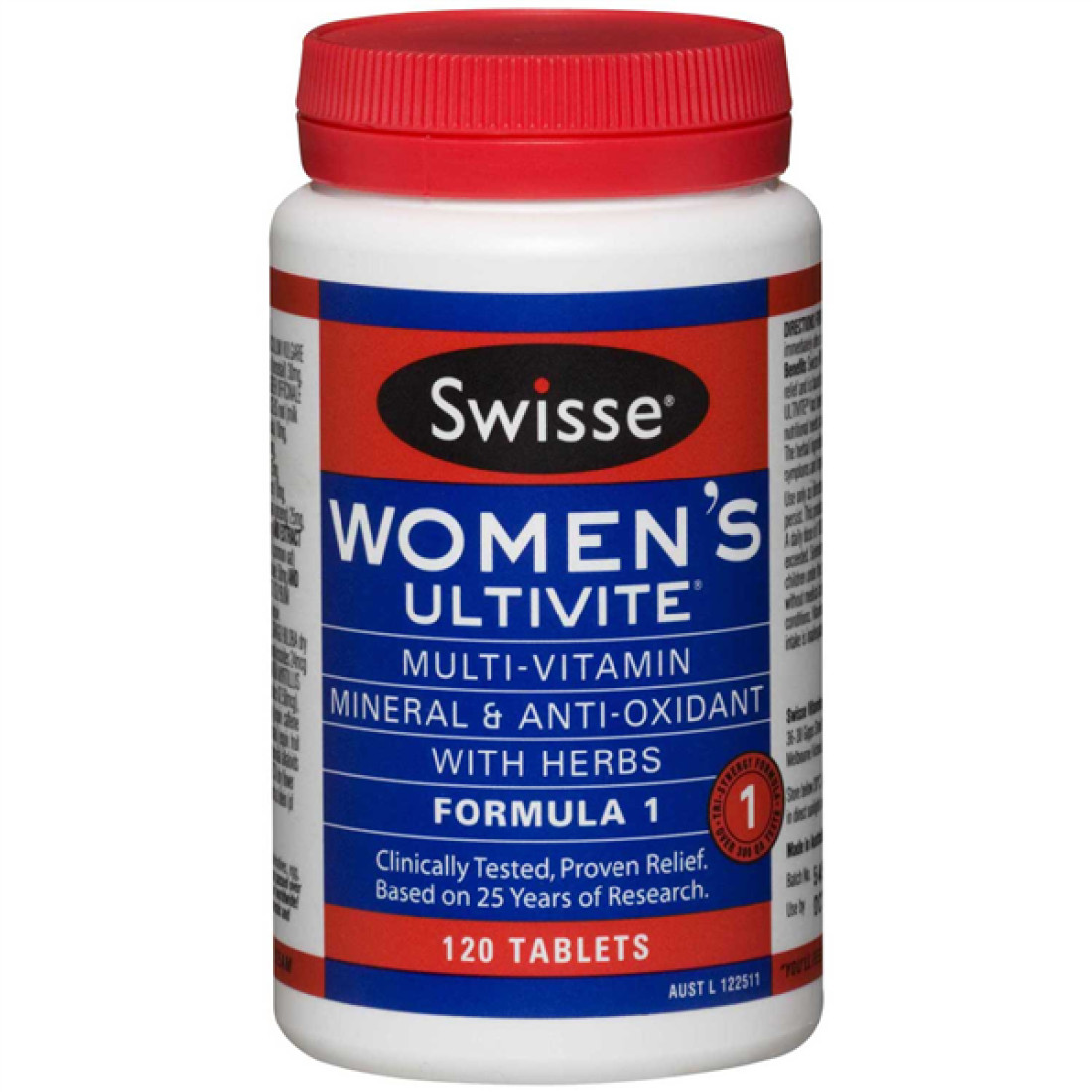 SwisseSwisse Women's Ultivite 120 TabletsSwisse Women’s Ultivite is a multivitamin and mineral supplement in a 120-tablet pack.S$71.70 contains some iron, which may be enough to top up a reasonable diet. A standalone product like Holistic Way Iron Tablets 15mg Chelated
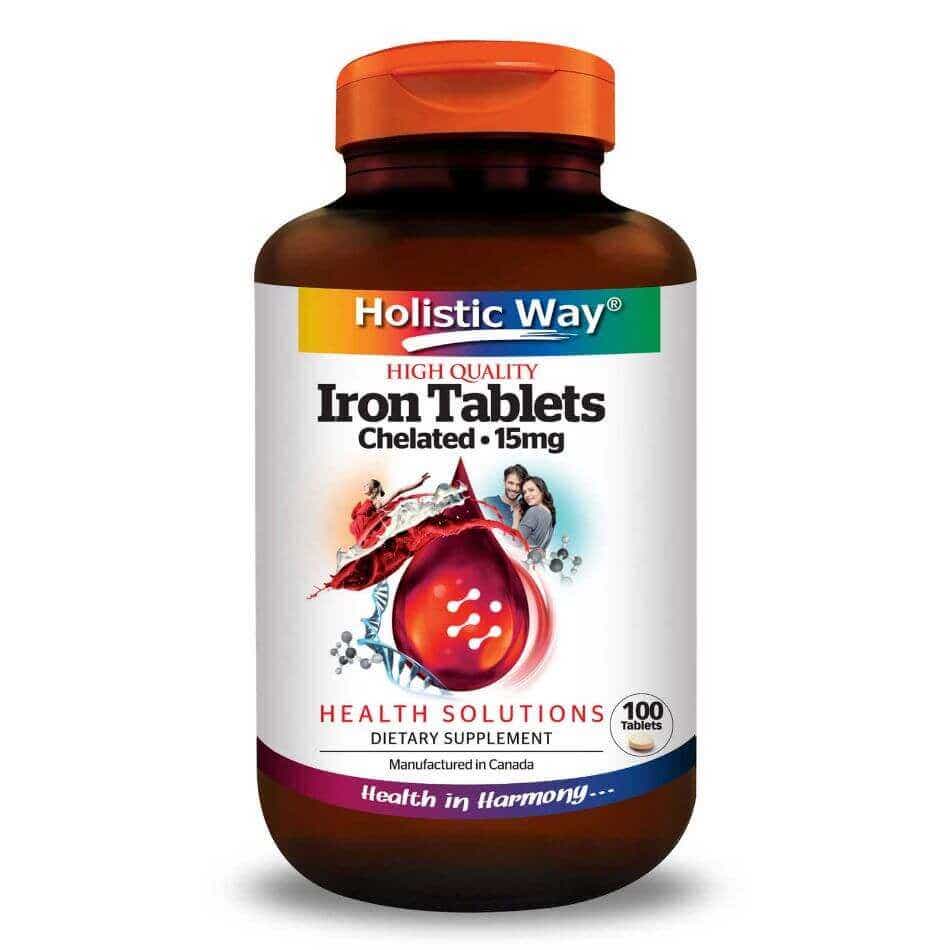 Holistic WayHolistic Way Iron Tablets 15mg Chelated 100sIron Tablets Chelated 15mg, 100 tablets.S$43.56 is for when you know your iron is low.
Don't take high-dose iron "just in case". Too much iron can cause constipation and stomach upset, and in some people it builds up over time. If you suspect you're low, ask your GP for a blood test that includes ferritin (your iron stores). That tells you whether to supplement and for how long.
A few practical tips: iron is absorbed better alongside vitamin C, such as a glass of orange juice, and worse alongside tea, coffee or calcium, so space them a couple of hours apart.
Folic acid
If there's any chance you might become pregnant, folic acid matters before you know you're pregnant, because the early weeks are when it counts. Health authorities commonly advise women who are planning a pregnancy to start folic acid before conception and continue into early pregnancy.
Many women's multivitamins contain folic acid. A single-nutrient option such as Holistic Way Folic Acid 900mcg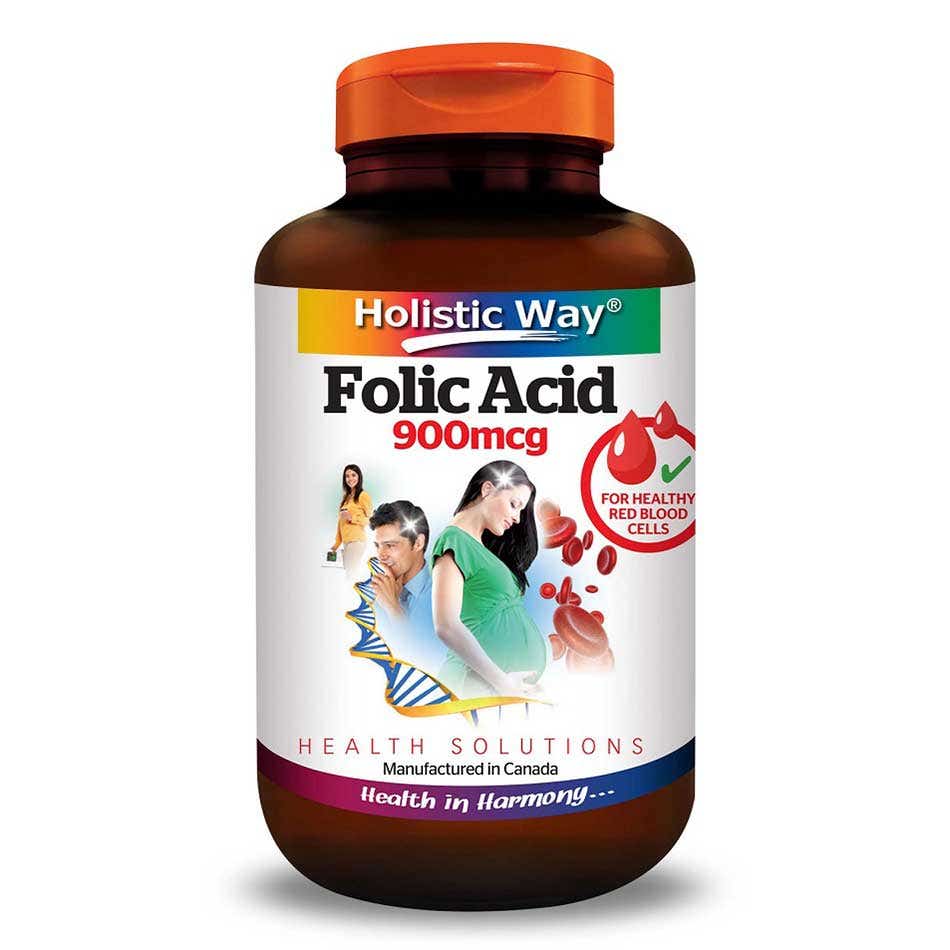 Holistic WayHolistic Way Folic Acid 900mcg 100 S-helps to produce healthy red blood cells
-helps in maintaining healthy heart functions for good healthS$31.83 is another route. Your doctor can confirm the right dose for you, which may be higher if you have certain medical conditions or a family history.
Pregnancy and breastfeeding
Pregnancy changes the picture enough that a pregnancy-specific product usually makes more sense than a general women's multivitamin. Products like Blackmores Pregnancy & Breast-Feeding Gold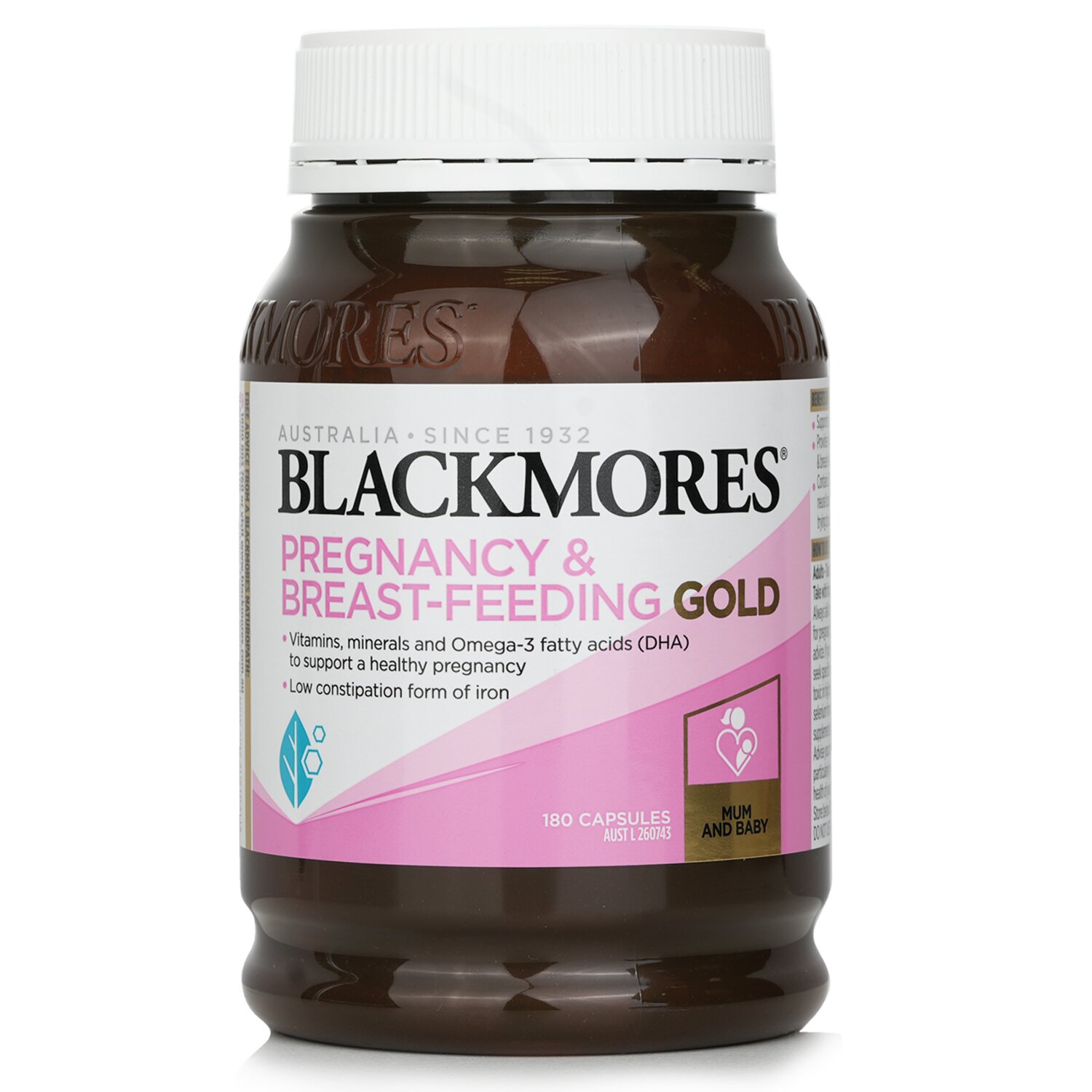 BlackmoresBlackMores Pregnancy & Breast-Feeding Gold 180 Capsuleswhile you are pregnant and breast-feeding, it is important that you get the right amounts of essential nutrients to support your health and the health and development of your baby.S$69.29 are formulated around the needs of this stage, often including iodine and omega-3 DHA alongside folic acid.
Two cautions. Don't take a regular multivitamin and a pregnancy multivitamin together, because doubling up on vitamin A in particular isn't advisable in pregnancy. And let your obstetrician or polyclinic doctor know what you're taking, since they may prescribe iron or other supplements based on your blood tests.
Forties: the busy middle
This is often when routines slip. Work, children, ageing parents and broken sleep make regular meals harder. A women's multivitamin can be a sensible safety net here.
It's also worth thinking about vitamin D, especially if you spend most of the day indoors, and calcium if dairy isn't part of your diet. Periods may become heavier or irregular in the years before menopause, so iron can still be relevant. Persistent heavy bleeding is worth a doctor's visit rather than just more iron.
50 and beyond: calcium, vitamin D and less iron
After menopause, iron needs drop, which is why 50+ formulas such as Centrum For Women 50+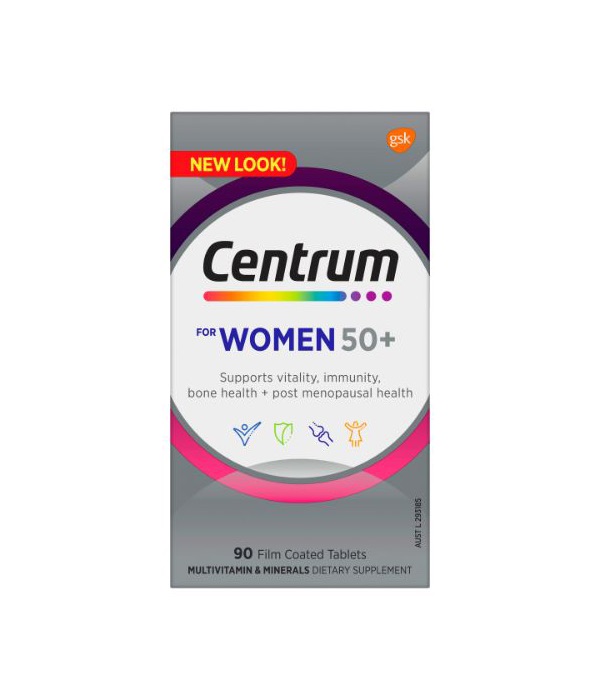 CentrumCentrum For Women 50+ Tablets 90sContains multiple vitamins to help fill nutritional gaps.S$50.89 and Swisse Women's 50+ Multivitamin typically contain less or none. Switching to an age-appropriate formula is one of the easiest improvements you can make.
Calcium and vitamin D become a bigger focus because bones need both. Food sources come first: dairy, calcium-set tofu, small fish eaten with bones such as ikan bilis and canned sardines, and dark leafy greens. If your diet falls short, a calcium and vitamin D product like Caltrate 600+ D3 Plus Minerals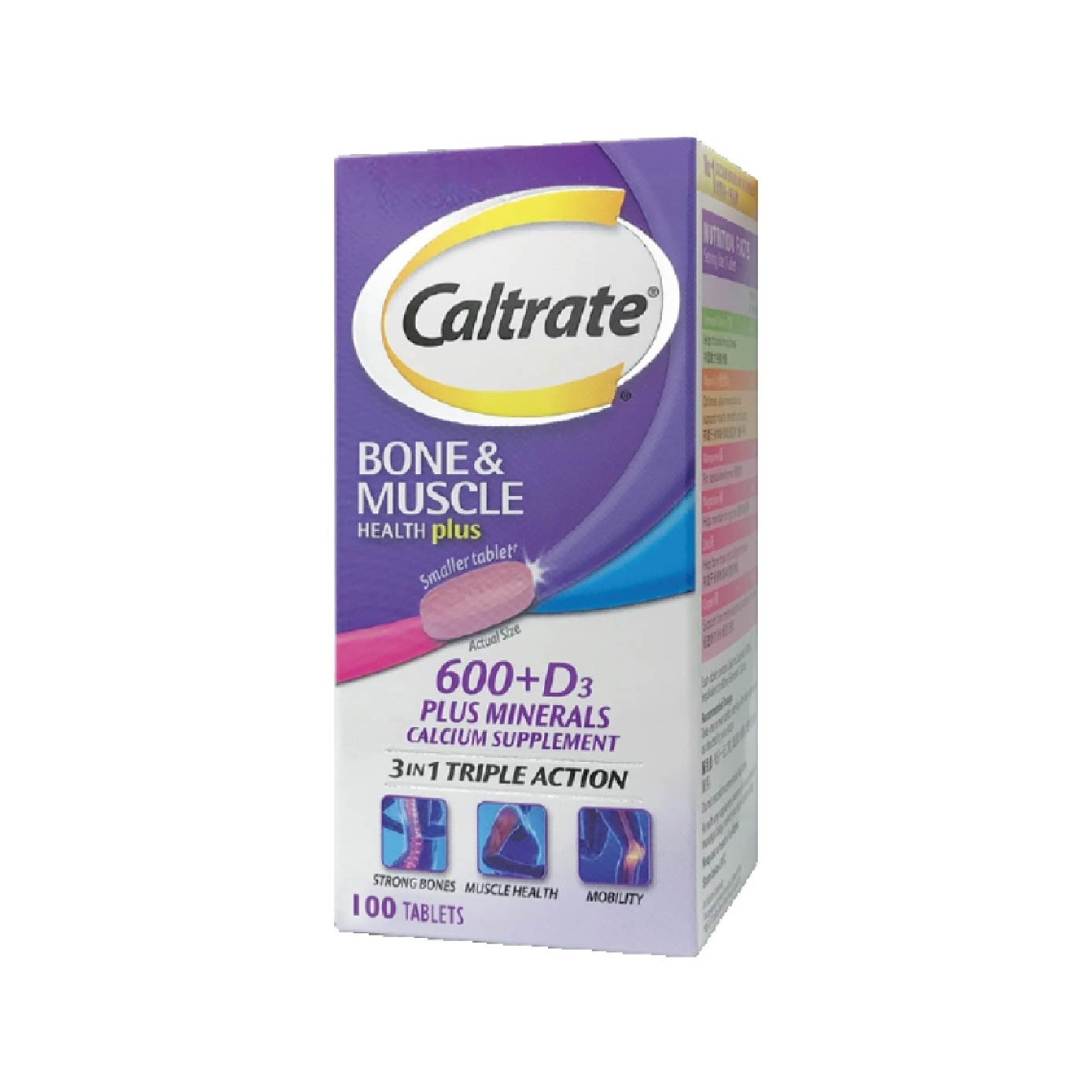 CaltrateCaltrate 600+ D3 Plus Minerals Calcium Supplement 100 per packCaltrate 600+ D3 Plus Minerals is a 100-tablet calcium supplement.S$69.14 is a common choice.
Calcium is absorbed best in smaller doses, so if you take more than one tablet a day, split them between meals. Calcium can cause constipation in some people, and it can interfere with certain medicines, including some thyroid and osteoporosis medications, so check timings with your pharmacist.
Common mistakes
Stacking products. A multivitamin plus a "hair, skin and nails" formula plus a separate iron tablet can add up to more than you think. Add the totals on the labels.
Keeping the same formula for decades. A pre-menopause multivitamin with iron isn't ideal at 60.
Treating symptoms with supplements instead of finding the cause. Fatigue, hair shedding or heavy periods deserve a check-up.
Bottom line
The right supplement for a woman depends on her stage of life. In the menstruating years, iron and folic acid matter most. In pregnancy, use a pregnancy-specific product and keep your doctor informed. After 50, switch to a lower-iron formula and focus on calcium and vitamin D. A women's multivitamin like Centrum for Women is a reasonable foundation, and a blood test is the best guide to anything beyond it.
