How to Read a Supplement Label Before You Buy
Serving size, amount per serving, repeated ingredients and pack quantity matter more than the biggest number on the front of a supplement bottle.

A supplement label can look precise while still being difficult to compare. Large numbers compete with words such as complete, maximum, advanced or daily. Two bottles may list the same ingredient but use different serving sizes. A pack with more tablets may provide fewer days of use.
The solution is not to memorise every nutrient. It is to read the label in a fixed order and compare like with like.
Begin with the intended user
Before looking at amounts, check who the product is made for. Adult, child, pregnancy, older-adult and sports products may use different ingredients, quantities and directions.
An age or life-stage label does not prove that the product is necessary. It tells you which group the manufacturer had in mind. If you are pregnant or breastfeeding, take medication, manage a health condition or are buying for a child, ask a doctor or pharmacist when suitability is uncertain.
Find the serving size first
The serving size is the key to the rest of the panel. A front label may advertise a quantity that applies to two tablets, three gummies or a full scoop rather than one unit.
Check:
How many tablets, capsules, gummies or scoops make one serving.
How often the label says to take that serving.
Whether the listed ingredient amounts apply per serving or per unit.
How many servings the whole pack contains.
If one bottle contains 120 tablets at two tablets per day and another contains 90 tablets at one per day, the second bottle lasts longer even though the first number looks bigger.
Compare amount per serving
Once the serving size is clear, compare the amount of each relevant ingredient per serving. Do not assume the highest amount is the best choice. More is not automatically more useful, safer or better suited to your diet and health context.
Percent daily value, where shown, is a reference point rather than a personal prescription. Individual needs can differ, and some labels use different reference systems depending on the market where the product was made.
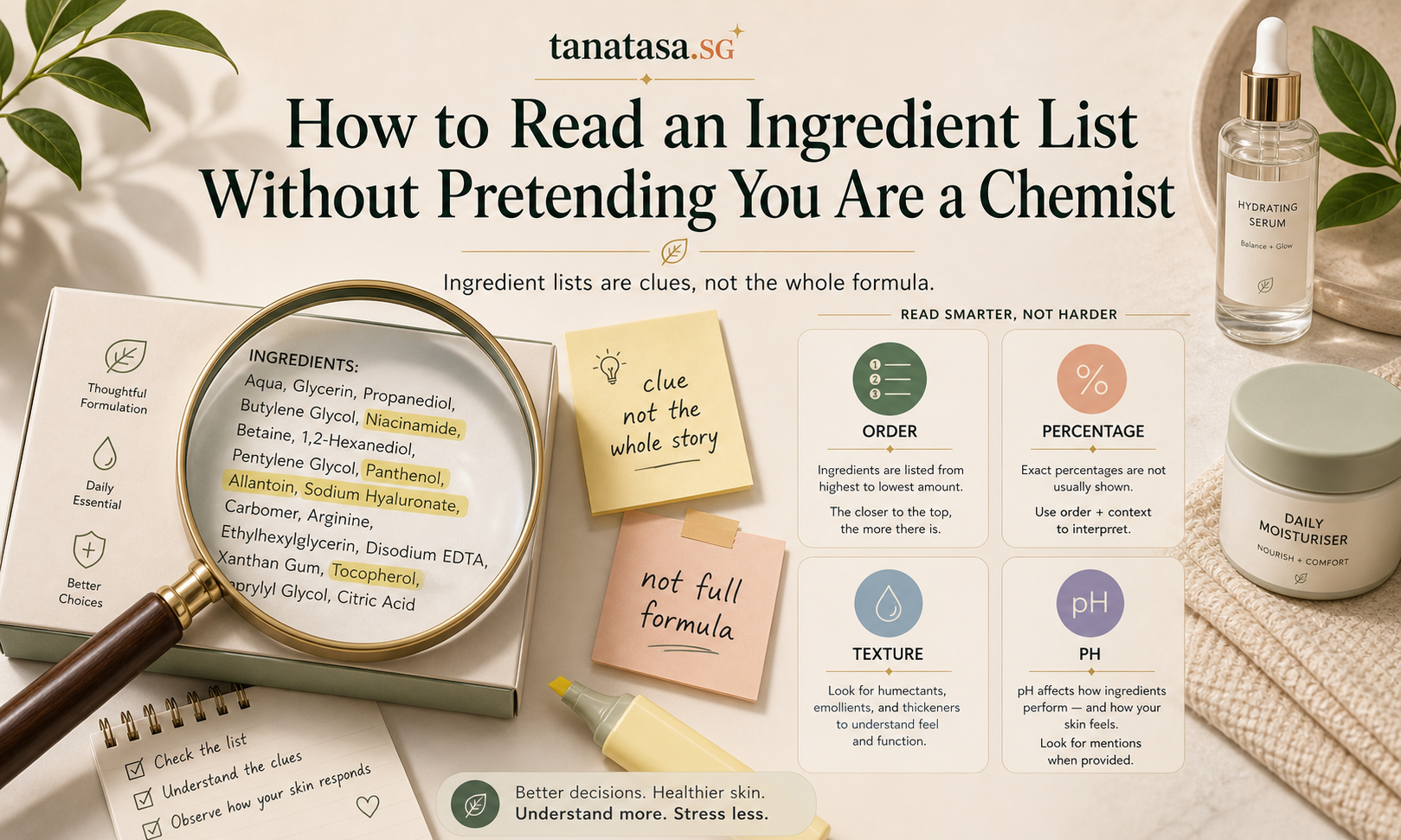
Read the complete ingredient list
The nutrition or supplement panel shows the named active ingredients. The other-ingredients list can show capsule materials, sweeteners, flavours, colours, oils, binders and allergens.
This matters when you prefer a tablet over a gummy, avoid a particular ingredient, have dietary restrictions or simply want to know why two apparently similar products feel and taste different.
Terms such as natural, clean or premium do not replace the ingredient list. Read what is present, not only how the front label describes it.
Check for overlap across your routine
The easiest way to take more than intended is to look at each product separately. A multivitamin, a beauty supplement, an energy product and a fortified drink may repeat some of the same vitamins or minerals.
Write down everything you already take, then compare the full labels side by side. Pay particular attention to single-nutrient products layered on top of a multivitamin.
If you are unsure about overlap or interactions with medicine, ask a pharmacist or doctor. A shopping page can help organise choices, but it cannot assess your personal medical context.
Treat ingredient form as context, not magic
Labels sometimes emphasise a particular chemical form, source or delivery technology. Those details can affect formulation and may matter in some situations, but they are also used heavily in marketing.
Do not let one highlighted term distract from serving size, total amount, directions and whether the product is appropriate at all. A more elaborate form does not automatically turn an unnecessary product into a necessary one.
Calculate cost per day carefully
Price per bottle is a weak comparison when packs use different serving sizes. A better calculation is:
Find the number of servings in the pack.
Confirm how many servings the directions suggest per day.
Divide the price by the approximate number of days supplied.
Only compare that result when the products have reasonably similar purposes and ingredient profiles. A low cost per day does not mean good value if the product duplicates something already in your routine.
You can use the vitamins and supplements collection to compare current format, quantity, price and product directions. The broader health and wellness catalogue includes other available formats and sports-nutrition products.
Be cautious with disease-style promises
Supplements should not be treated as products that diagnose, treat or prevent disease. Be careful when a listing promises dramatic treatment outcomes, relies mainly on testimonials or tells you to ignore professional advice.
Also be cautious with the opposite mistake: assuming a product must be useful because its claims sound restrained. The right question remains whether the ingredients, amounts and intended use make sense for you.
Make the routine easy to follow
If you decide to use a supplement, follow the label, store it as directed and keep track of what you take. Do not move products into unlabelled containers where directions and expiry details are lost.
Reassess the routine rather than letting bottles accumulate automatically. A product that no longer fits your needs is not improved by becoming a permanent subscription.
Bottom line
Read supplement labels in this order: intended user, serving size, amount per serving, full ingredients, warnings, pack servings and cost per day. Check for overlap with the rest of your routine and ask a professional when medication, pregnancy, childhood or a health condition makes the choice less straightforward.
The front of the bottle is designed to attract attention. The back is where comparison begins.