Daily Wellness Supplements: What a Simple, Sensible Routine Looks Like
Food first, then a short list: where a multivitamin, vitamin D, omega-3 and probiotics may fit into everyday life in Singapore, and where they probably don't.
The wellness aisle makes a daily routine look complicated. Greens powders, immunity shots, adaptogens, beauty collagen, detox teas. If you bought everything that promised to help, you would spend more each month on supplements than on vegetables.
A sensible daily routine is much shorter. For most healthy adults it starts with food, adds one or two products that fill a real gap, and stops there. This guide walks through the handful of supplements that tend to earn a place, who they may suit, and the trade-offs.
Food comes first, and it isn't a cliché
Supplements are designed to supplement. They can't replace the fibre, protein and thousands of plant compounds in real meals, and no tablet makes up for a diet built on white rice, sweet drinks and fried snacks.
A quick self-check on a normal week:
Do you eat vegetables or fruit at most meals, not just once a day?
Do you eat fish, especially oily fish such as salmon, sardines or mackerel, at least once or twice a week?
Do you get dairy, calcium-set tofu or other calcium sources regularly?
Do you spend any time outdoors in daylight, beyond the walk to the MRT?
Each "no" points to a possible gap. Each "yes" is a supplement you probably don't need.
A multivitamin: a safety net, not a strategy
A daily multivitamin covers small gaps across many nutrients at once. It suits people with irregular meals, long working hours, restricted diets or simply patchy eating habits. A broad option such as Centrum Advance Adults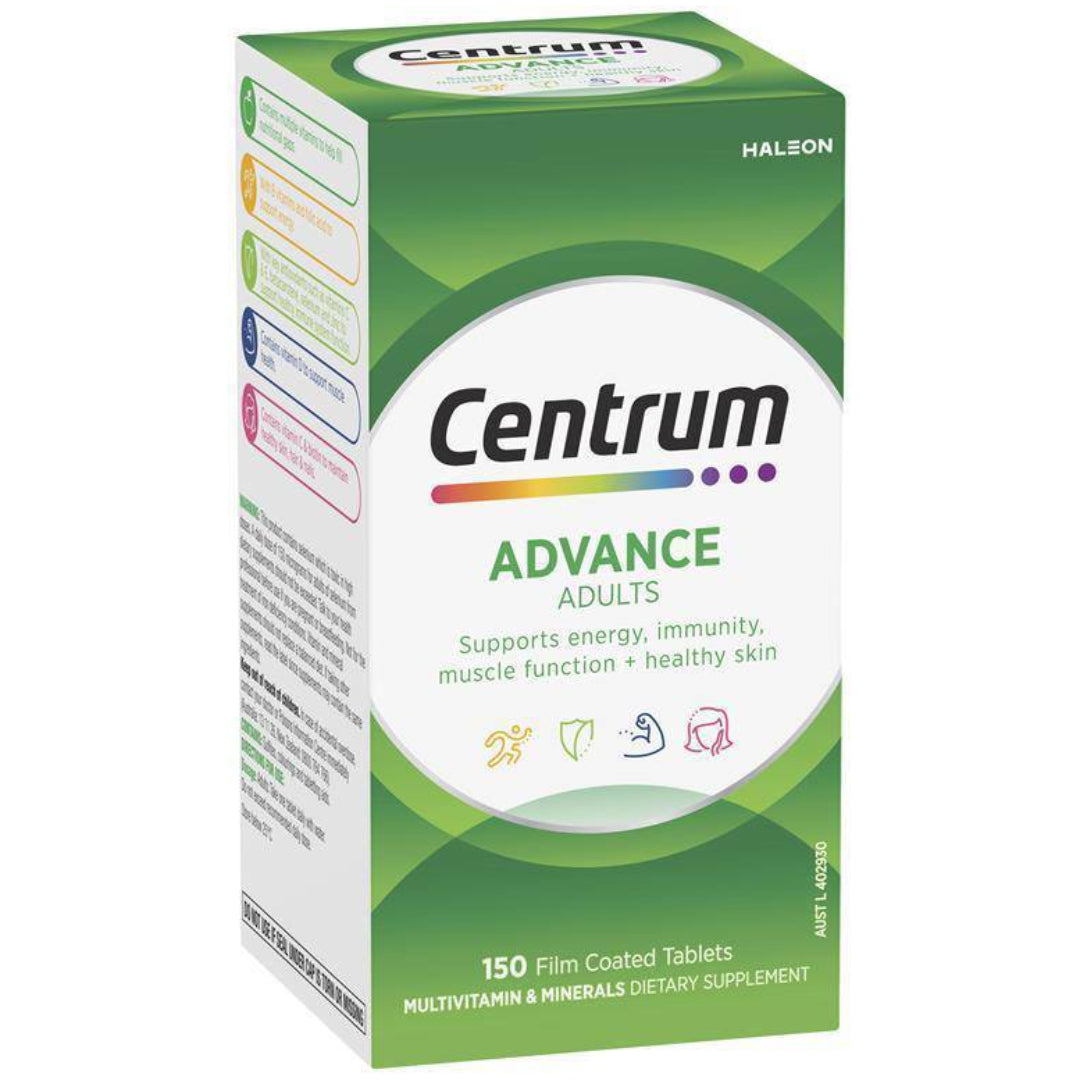 CentrumCentrum Advance Adults Tablets 150sContains multiple vitamins to help fill nutritional gaps.S$55.54 is easy to fit into a routine.
What a multivitamin won't do is fix a specific deficiency at a high dose, give you more energy if you're not deficient, or replace food. Take it with a meal, which tends to be easier on the stomach, and avoid stacking it with other products that contain the same vitamins.
Vitamin D: the sunny-country surprise
It seems odd to worry about vitamin D in Singapore, but our lifestyle works against the sunshine. Many of us commute underground, work in air-conditioned offices, exercise indoors and, sensibly, wear sunscreen and avoid the midday sun. Low vitamin D is not unusual among people who live this way.
If that sounds like you, a modest daily dose such as Blackmores Sunny D1000 Gold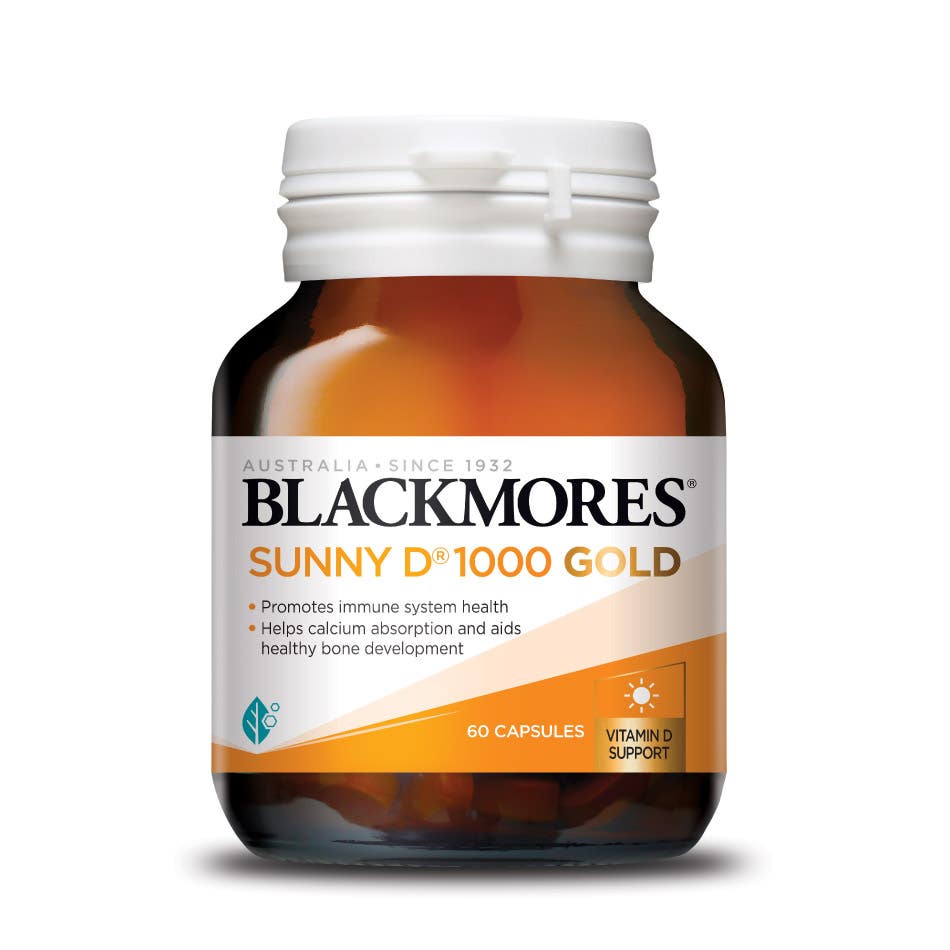 BlackmoresBlackmores Sunny D1000 Gold 60 CapsulesBlackmores Sunny D1000 Gold is a vitamin D supplement in a 60-capsule pack.S$28.95 or Holistic Way Vitamin D3 1000IU
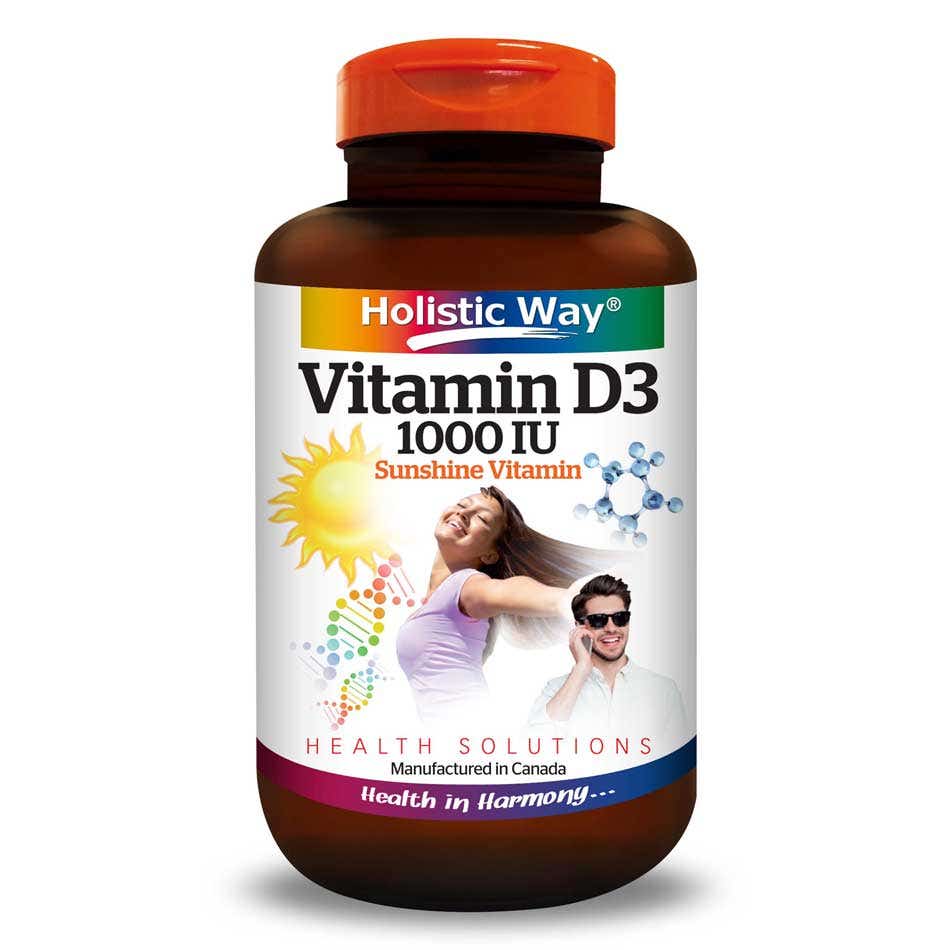 Holistic WayHolistic Way Vitamin-D3 1000IU 100sVitamin D3 1000 IU, 100 tablets.S$28.83 is a common choice. Vitamin D is fat-soluble, so taking it with a meal that contains some fat helps absorption.
More isn't better here. Because vitamin D is stored in the body, very high doses over long periods can cause problems. If you want certainty, a simple blood test from your GP tells you where you stand and whether a higher dose makes sense for a while.
Omega-3: if fish isn't on your plate
Omega-3 fats, mainly EPA and DHA, come from oily fish. If you eat salmon, sardines or mackerel a couple of times a week, you likely don't need a capsule. If you rarely eat fish, an omega-3 supplement is a reasonable way to fill the gap.
When comparing, look at the amount of EPA and DHA per serving on the label rather than the "1000mg fish oil" headline, which counts the whole oil. A general option like Blackmores Odourless Fish Oil 1000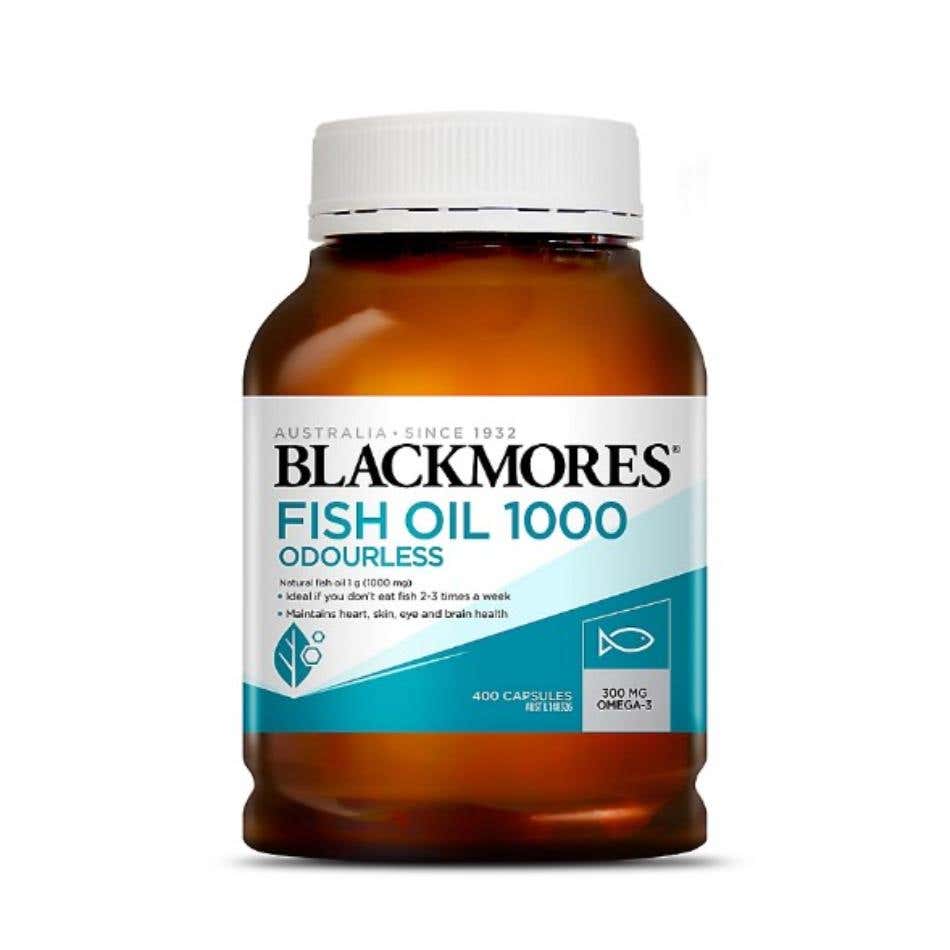 BlackmoresBlackmores Odourless Fish Oil 1000 Supplements 400sBlackmores Odourless Fish Oil 1000 Supplements 400s, 400pcs.S$118.08 suits people who want a familiar brand. If you're vegetarian or don't like fish burps, an algae-based product such as Nordic Naturals Algae Omega
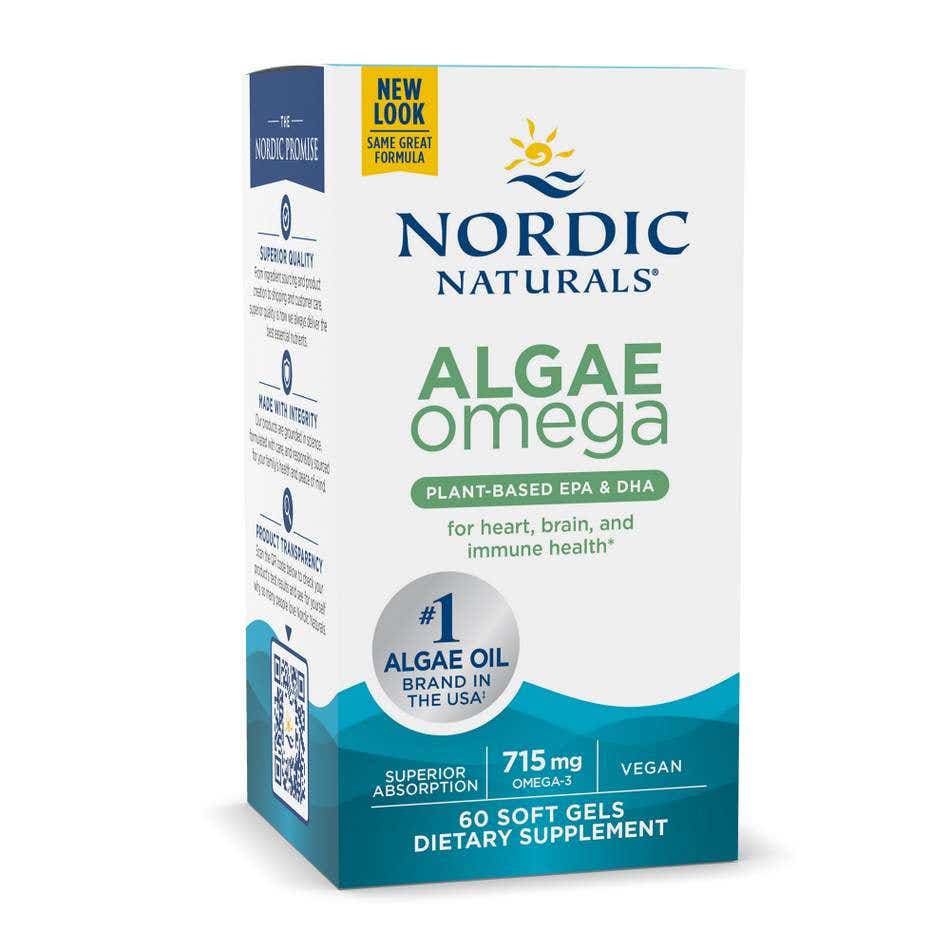 Nordic NaturalsNordic Naturals Algae Omega Soft Gels 60capsulesNordic Naturals Algae Omega — Soft Gels, 60capsules.S$49.25 gets its omega-3 from the same source the fish do.
Fish oil can affect how blood clots, so check with your doctor or pharmacist if you take blood thinners or have surgery coming up.
Probiotics: useful for some, unnecessary for many
Probiotics are live microbes, and the research is very specific: a particular strain, at a particular dose, for a particular purpose. That makes them hard to recommend as a general daily habit.
They may be worth trying after a course of antibiotics, during travel, or if your digestion is unsettled and you want a structured experiment. Choose a product that names its strains on the label, such as Blackmores Probiotics+ 10 Billion BlackmoresBlackmores Probiotics+ Capsules - 10 Billion 30 per packBlackmores Probiotics+ is a 30-capsule supplement labelled 10 billion CFU.S$62.24 or Swisse Ultibiotics Daily Digestive Probiotic
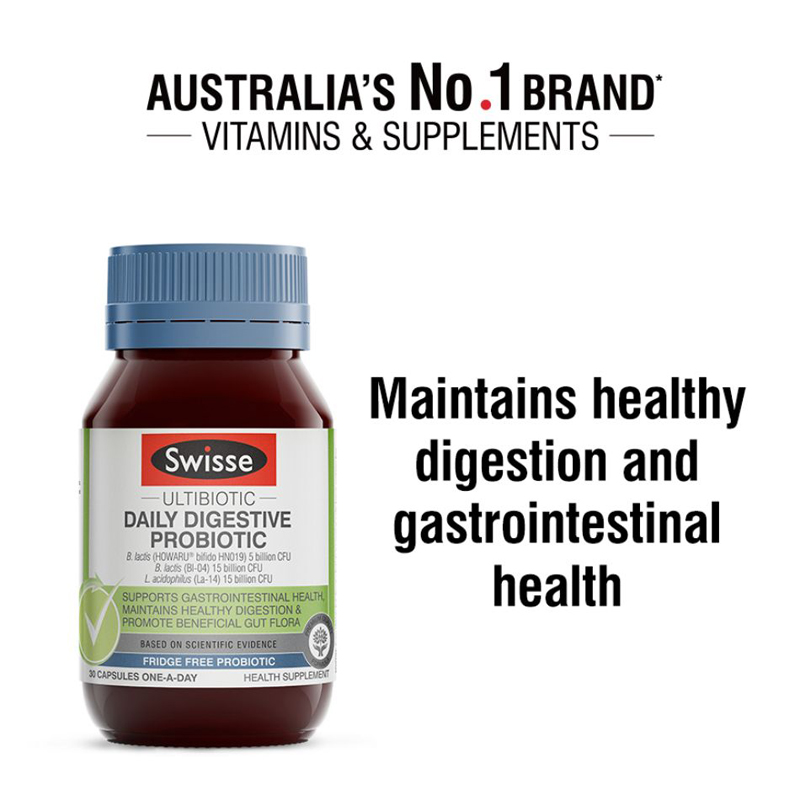 SwisseSwisse Ultibiotics Daily Digestive Probiotic Supplements 30sSwisse Ultibiotics Daily Digestive Probiotic is a supplement; use as directed.S$76.99, follow the storage instructions closely in our heat, and give it about four weeks. If nothing changes, stop.
Food sources count too: yoghurt with live cultures, kefir, kimchi and tempeh all bring fermented foods into your week without a capsule.
What a simple routine looks like in practice
Here are three realistic examples rather than one plan for everyone:
Busy office worker, irregular meals, little sun: a multivitamin with breakfast and vitamin D with lunch.
Eats well, but no fish: omega-3 with dinner, and nothing else unless a blood test says otherwise.
Generally healthy, wants "something": honestly, possibly nothing. Spend the money on fruit, a gym class or better sleep.
Keep the routine to two or three products, take them at the same meal each day so you remember, and review every few months.
When to talk to a doctor or pharmacist first
Most daily supplements are low risk for healthy adults, but ask a pharmacist before starting if you're pregnant or trying to conceive, take regular medication, have kidney or liver problems, or are buying for a child or an older parent. Tiredness that doesn't lift, unexplained weight loss or persistent digestive changes deserve a proper check-up, not another bottle.
Bottom line
A daily wellness routine doesn't need to be elaborate. Eat well first, then consider a multivitamin for general gaps, vitamin D if you're indoors most of the time, omega-3 if fish isn't a habit, and probiotics only for a specific reason. Fewer products, taken consistently, beat a crowded shelf.