No-Rinse Skin Cleansers for Caregivers: Gentle Cleansing at Home
Caring for someone who is bedbound or living with incontinence? A simple clean, dry, protect routine with the right supplies helps keep their skin comfortable and intact.
Looking after someone at home, whether an ageing parent, a spouse recovering from a stroke or a family member with dementia, involves a lot of skin care that nobody trains you for. Frequent cleaning, long hours in bed and Singapore heat all put fragile skin under strain.
No-rinse skin cleansers are one of the most useful tools you can have. They let you clean thoroughly and gently without moving someone to the shower or carrying basins of water, and they are kinder to skin than repeated soap and water.
This guide covers how to set up a simple routine, what to keep at the bedside, and the warning signs that need a nurse or doctor. For step-by-step instructions on one specific product, see our guide to 3M Cavilon No-Rinse Skin Cleanser.
Why skin breaks down so easily in home care
Three things combine:
Moisture. Urine, stool and sweat soften skin and make it fragile. In incontinence, this is called moisture-associated skin damage, and it can look like red, sore, sometimes weepy skin in the groin and buttocks.
Friction and pressure. Lying or sitting in one position, sliding down the bed and rough cleaning all damage the top layer of skin.
Age and illness. Older skin is thinner and drier and heals more slowly; poor nutrition and some medicines make it worse.
Good daily care focuses on all three: keep skin clean and dry, protect it, and reduce pressure.
The routine: clean, dry, protect
Clean gently, every time
After each episode of incontinence, clean promptly with a no-rinse cleanser on a soft disposable cloth. Two common options:
3M Cavilon No-Rinse Skin Cleanser
 3M3M Cavilon No-Rinse Skin Cleanser 3380 236g3M Cavilon No-Rinse Skin Cleanser 3380 236g is a no-rinse skin cleanser for skin cleansing when rinsing is inconvenient. It is the 236g option, supplied as one retail unit of the selected variant.S$22.86, available alone or with its matching barrier cream.
Smith & Nephew Secura Moisturizing Cleanser
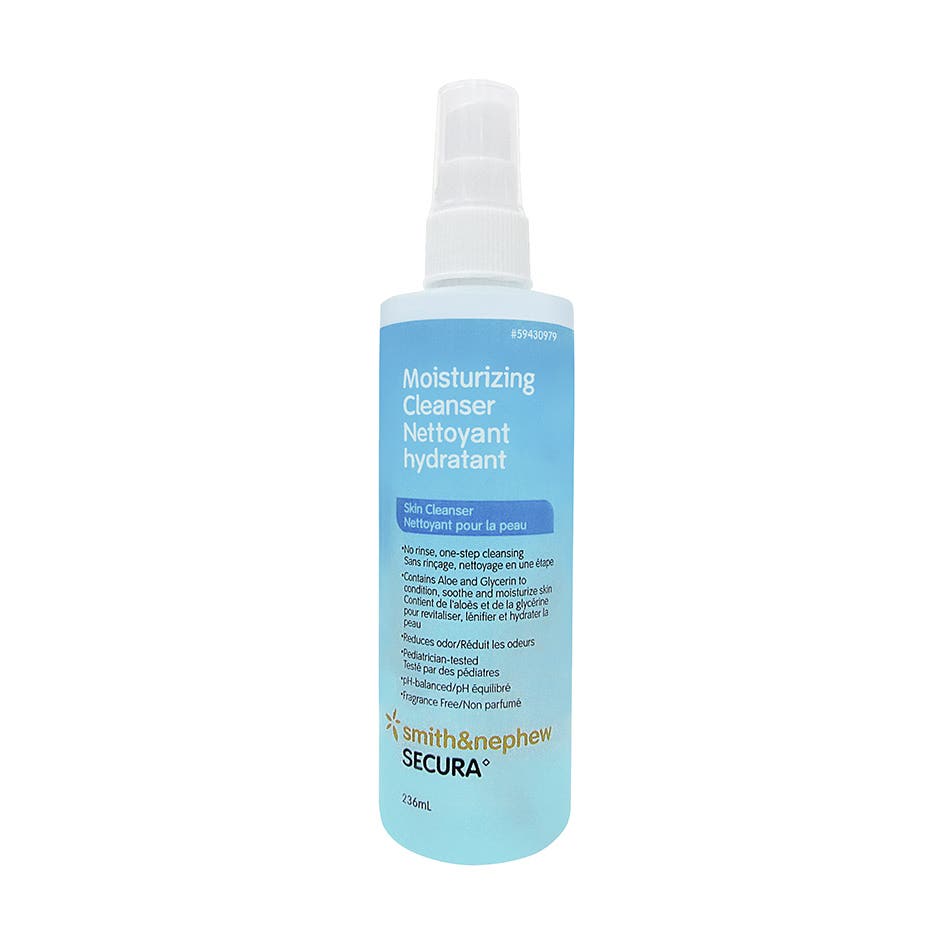 Smith & NephewSmith & Nephew Secura Moisturizing Cleanser 236mlSmith & Nephew Secura Moisturizing Cleanser, 236ml.S$26.08, another cleanser made for incontinence and perineal care. Check the pack directions on rinsing and use.
Wipe front to back, do not scrub, and use a clean part of the cloth for each wipe.
When the person can manage a full shower, a soap-free wash such as QV Body Gentle Wash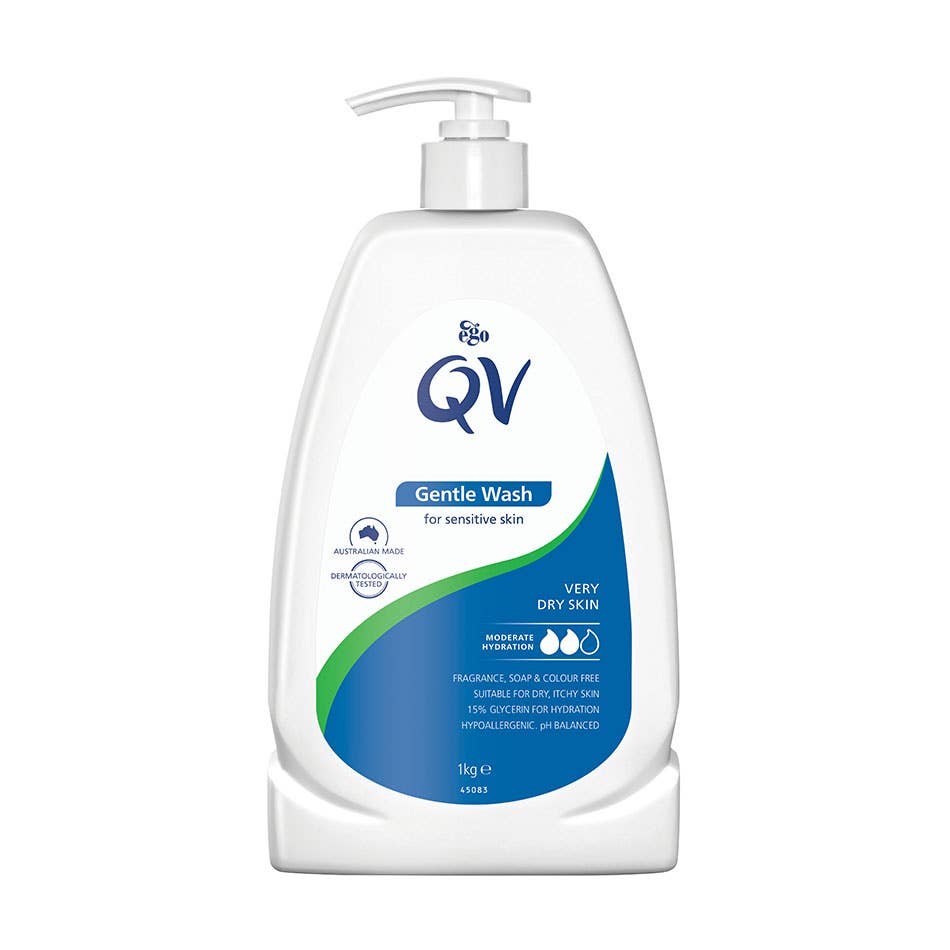 QVQV Body Gentle Wash 1kgQV Gentle Wash is designed for dry or sensitive skin. It works to help maintain hydration during cleansing so skin is left clean and feeling soft. QV Gentle Wash is also non-comedogenic so it won’t block pores. It is a pH balanced, low-irritant formulation, free from fragrance, colour, lanolin and propylene glycol.
• Helps maintain skin’s natural protective properties.
• Doesn’t strip away the skin’s natural oils like soap can.
• pH balanced, low-irritant formulation, free from colour, fragrance, propylene glycol, and lanolin.
• Suitable for sensitive skin.S$50.00, made for dry or sensitive skin, is gentler than ordinary soap.
Dry thoroughly
Pat, don't rub. Pay attention to skin folds: under the breasts, belly folds, groin and between the toes. Trapped moisture in folds is a common cause of rashes in our humid climate.
Protect with a barrier
A barrier product sits between skin and moisture until the next change. Choose one:
Zinc oxide creams form a thicker, white protective layer. Smith & Nephew Secura Extra Protective Cream
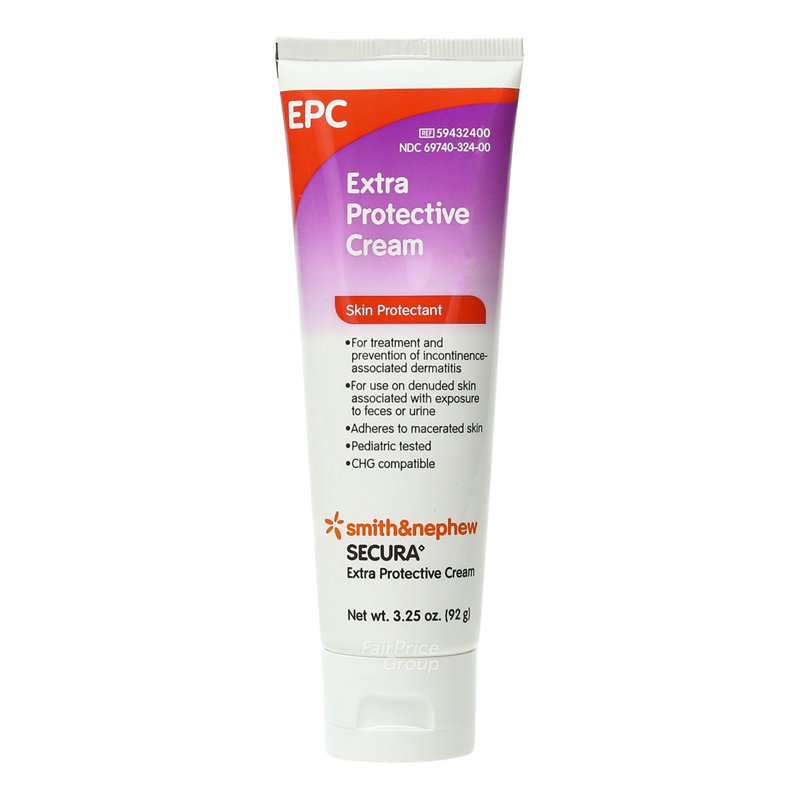 Smith & NephewSmith & Nephew Secura Extra Protective Cream 92gSecura Extra Protective Cream is a 92g skin barrier cream with 30% zinc oxide.S$22.64 is a zinc oxide-based barrier cream that suits skin that is already red or exposed to frequent loose stools.
Barrier films dry to a clear layer that lets you see the skin underneath. 3M Cavilon No Sting Barrier Film Spray is useful where creams get messy, or where a nurse wants to monitor the skin.
Apply thin layers. A thick layer of cream does not protect better and can block pads from absorbing properly.
What to keep at the bedside
A small, well-stocked caddy saves time and stress, especially during the night:
No-rinse cleanser and a stack of soft disposable cloths
A barrier cream or film
Disposable gloves and a lined bin
Clean pads or adult diapers in the right size
Disposable underpads to protect the bed, such as FairPrice Adult Underpads
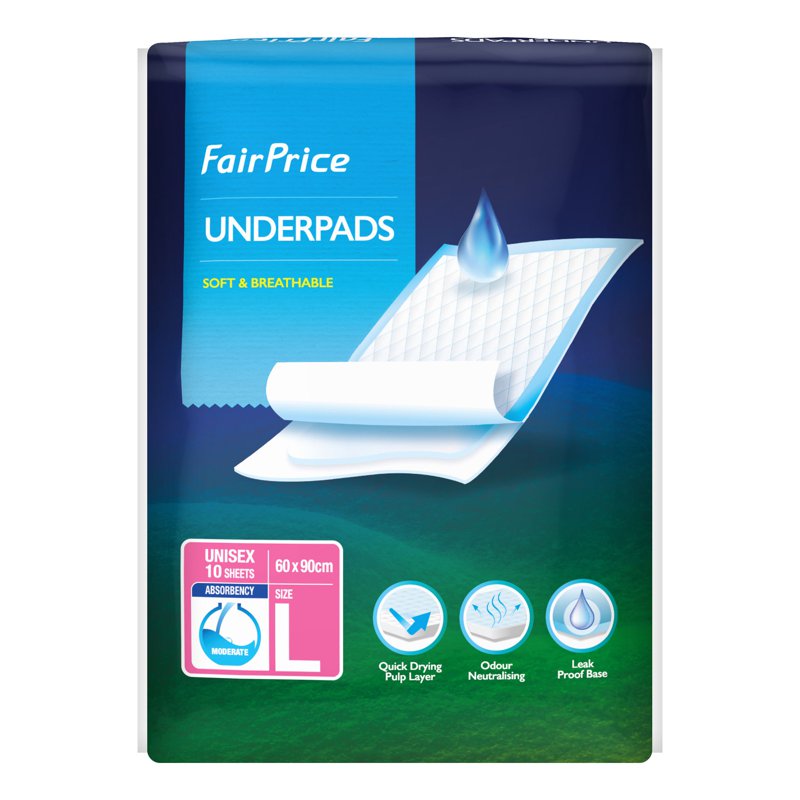 FairPriceFairPrice Adult Underpads - L 10 per packFairPrice Adult Underpads are disposable absorbent pads for bed or chair protection.S$12.94
Adult body wipes for quick freshening and outings, such as HospiCare Adult Body Wipes
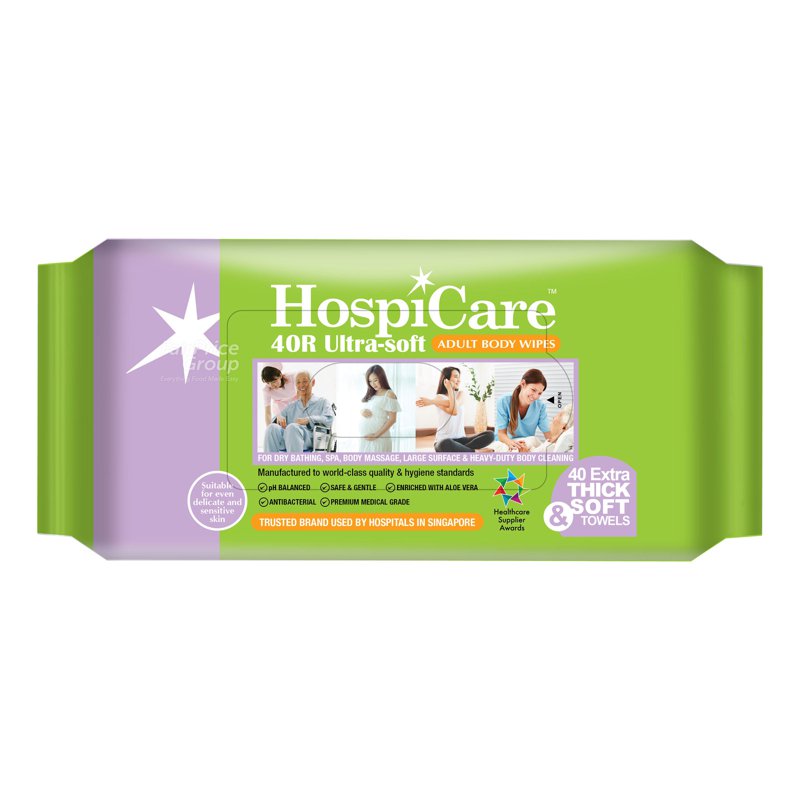 HOSPICAREHospiCare Adult Body Wipes - Ultra Soft 40 per pack• Extra thick, large towel that is soft and gentle on skin
• Enriched with aloe vera
• Antibacterial, mit and paraben free with 5.5pH
• For dry bath, spa, body massage, large surface and heavy-duty body cleaningS$8.18
A soft towel and a change of clothes
Practical tips from day-to-day care
Check pads regularly, not just at fixed times. Prolonged contact with urine or stool is the biggest risk.
Choose the right size pad. Too tight causes friction; too loose leaks.
Avoid layering two pads. It traps heat and moisture and does not add much protection.
Reposition regularly if the person cannot move themselves. A nurse or therapist can show you safe techniques and how often to turn.
Keep the room cool and the bedding breathable. Sweat adds to moisture damage.
Encourage fluids and good nutrition unless their doctor has restricted fluids; well-nourished skin copes better.
Talk while you work. Explaining each step helps the person feel more comfortable and keeps their dignity.
Warning signs that need a nurse or doctor
Get professional advice promptly if you notice:
Redness over a bony area (tailbone, hips, heels) that does not fade within about 30 minutes of relieving pressure. This can be an early pressure injury.
Skin that is broken, blistered, weeping or bleeding.
A bright red rash with small spots at the edges, often in skin folds, which may be a fungal infection.
Wounds of any kind. Do not treat wounds with cleansers or creams meant for intact skin; seek nurse advice for wound care.
Fever, foul smell or increasing pain.
In Singapore, home nursing services and community care providers can visit to assess skin, teach caregivers and help with wound care. Ask the hospital team or your GP about referrals.
Look after yourself, too
Caregiving is tiring. Simple systems such as a ready bedside caddy, buying supplies in bulk once you know what works, and sharing tasks with family make the routine easier to sustain.
Bottom line
Gentle skin care at home comes down to clean, dry, protect: a no-rinse cleanser instead of repeated soap and water, careful drying of folds, a thin barrier layer, the right pads and regular repositioning. Call a nurse early when skin changes, especially over bony areas or when skin breaks.