3M Cavilon No-Rinse Skin Cleanser: What It Is and How to Use It
Cavilon No-Rinse Skin Cleanser lets you clean skin without a basin or shower, which matters for bedbound care and incontinence. Here is what it does, step-by-step use and common mistakes.
If you are caring for someone at home, perhaps an elderly parent after a hospital stay or a family member who is bedbound, you may have been handed a bottle of 3M Cavilon No-Rinse Skin Cleanser by a nurse or seen it on a discharge list. It is a simple product, but using it well makes a real difference to skin comfort.
This guide explains what it is, how it differs from soap and water, and exactly how to use it, along with the Cavilon barrier products it is often paired with.
What is a no-rinse skin cleanser?
A no-rinse cleanser is a liquid that lifts away urine, stool, sweat and everyday dirt without needing to be washed off afterwards. You apply it, wipe, and pat dry. There is no basin of water to carry, no soap residue left behind, and less rubbing of fragile skin.
That matters because repeated washing with ordinary soap and water can dry out and irritate skin, especially older skin that is already thin. In incontinence care, where the same area may need cleaning several times a day, that irritation adds up and can contribute to sore, broken skin.
3M Cavilon No-Rinse Skin Cleanser is designed for exactly this kind of frequent cleaning. It is widely used in care settings and is easy to use at home. You will find it here as part of the 3M Cavilon Durable Barrier Cream & No-Rinse Skin Cleanser 3M3M Cavilon Durable Barrier Cream 3355 + No-Rinse Skin Cleanser 33803M Cavilon Durable Barrier Cream 3355 + No-Rinse Skin Cleanser 3380 is a product set.S$37.10 listing, which offers the cleanser and the barrier cream separately or together. Check the label and directions on the pack you receive.
When to use it
Incontinence care: cleaning the groin, buttocks and inner thighs after each episode.
Bed baths: freshening up someone who cannot get to the shower easily.
Skin folds: under the breasts, belly folds and groin, where sweat collects in Singapore heat.
Between full showers: for people who tire quickly or are recovering from illness.
It is not a wound cleanser. Do not use it on open wounds, surgical sites or broken skin unless a nurse or doctor has told you to.
How to use it, step by step
Get everything ready first: the cleanser, soft disposable washcloths or cloths, gloves, a towel, a fresh pad or adult nappy, and any barrier product you use.
Wash your hands and put on gloves.
Remove any soiled pad and wipe away heavy soiling gently with a disposable cloth first.
Apply the cleanser. Spray or pour it onto a soft cloth, or spray directly onto the skin, following the pack directions.
Wipe gently, front to back, using a clean part of the cloth for each wipe. Do not scrub.
Pat the skin dry with a soft towel or cloth. There is no need to rinse.
Apply a barrier product if the skin is at risk (see below), then put on a fresh pad.
Remove gloves and wash your hands.
For a full bed bath, work from cleaner areas to less clean ones: face and arms first, groin and buttocks last, changing cloths as you go.
Pairing it with a barrier cream or film
Cleaning removes irritants; a barrier keeps new moisture and irritants off the skin until the next change. Cavilon has two common barrier products:
Cavilon Durable Barrier Cream
3M Cavilon Durable Barrier Cream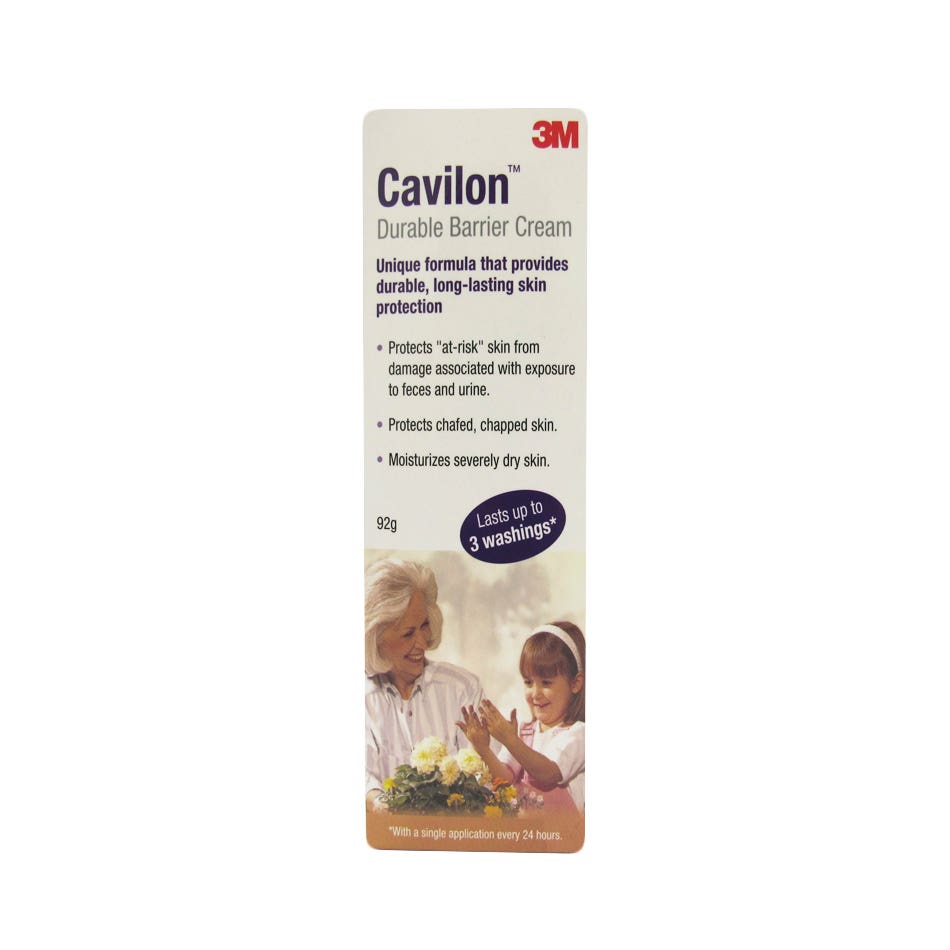 3M3M Cavilon Durable Barrier Cream 3355 92 gA moisturising skin barrier cream in a single 92 g tube.S$29.87 is applied as a thin layer to clean, dry skin. A common mistake is using it like a thick nappy cream: a pea-sized amount spread thinly covers a surprisingly large area, and a heavy layer can make pads less absorbent and is harder to clean off. Check the pack for how often to reapply.
Cavilon No Sting Barrier Film
3M Cavilon No Sting Barrier Film Spray dries to a thin, clear protective layer. Nurses often use it where a cream would be messy, or around devices and tapes. Spray it on clean, dry skin and let it dry fully before covering.
Use one barrier type at a time in the same area unless a nurse advises otherwise.
Cleanser vs wet wipes
Adult wet wipes such as HospiCare Adult Body Wipes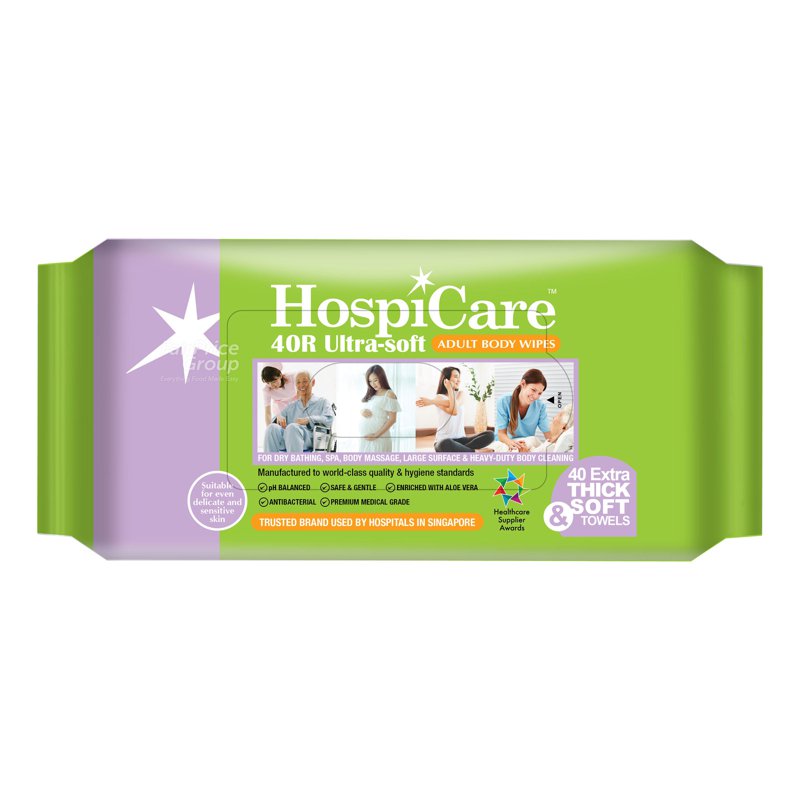 HOSPICAREHospiCare Adult Body Wipes - Ultra Soft 40 per pack• Extra thick, large towel that is soft and gentle on skin
• Enriched with aloe vera
• Antibacterial, mit and paraben free with 5.5pH
• For dry bath, spa, body massage, large surface and heavy-duty body cleaningS$8.18 are handy for quick freshening and outings. For frequent incontinence care on fragile skin, many caregivers find a no-rinse cleanser on a soft cloth gentler, because you control how much liquid you use and there is less fragrance and friction. Keeping both is practical: cleanser at the bedside, wipes in the bag.
Common mistakes
Scrubbing to get skin "really clean." Gentle wiping is enough.
Leaving skin damp before putting on a fresh pad. Always pat dry.
Piling on barrier cream. Thin layers work better.
Switching between many products in a short time, which makes it hard to tell what is causing irritation.
When to call a nurse or doctor
Ask for help if the skin becomes red and does not fade after cleaning, looks shiny, raw or broken, develops blisters or a rash with small red spots at the edges (which can suggest a yeast infection), or if a sore develops over a bony area like the tailbone or heels. Those need proper assessment, not just more cream.
Bottom line
Cavilon No-Rinse Skin Cleanser is a gentle, practical way to clean skin without a shower or basin. Wipe gently, pat dry, add a thin barrier layer when needed, and ask a nurse early if the skin starts to break down.