Keratosis Pilaris: Rough Arm Bumps and What Actually Helps
Keratosis pilaris is common, stubborn, and often over-scrubbed. Learn what helps rough arm bumps, what makes them worse, and why patience matters.

# Keratosis Pilaris: Rough Arm Bumps and What Actually Helps
Keratosis pilaris, often called KP, is the rough bumpy texture many people get on the upper arms, thighs, cheeks, or buttocks. It can look like tiny plugs, small bumps, rough dots, or "chicken skin." Sometimes it is red or dark. Sometimes it is just texture.
KP is common and harmless, but it can be annoying because it is stubborn. People scrub it, peel it, shave over it, and buy strong body products hoping it will disappear quickly.
The realistic goal is usually management, not instant removal.

What keratosis pilaris is
KP happens when keratin builds up around hair follicles, creating tiny plugs and rough bumps. It often runs in families and is more common in people with dry skin or eczema-prone tendencies.
It is not dirt. It is not caused by poor hygiene. It is not something you can scrub out permanently. That distinction saves a lot of unnecessary irritation.
This matters because the wrong approach can irritate the skin and make the bumps look redder or darker.
Why scrubbing usually backfires
Scrubbing feels logical because the bumps feel rough. But aggressive physical exfoliation can inflame the follicles, irritate the surrounding skin, and worsen redness or post-inflammatory darkening.
If you scrub until the skin is hot, shiny, or sore, you are not treating KP gently. You are creating another problem on top of it.
Smoother skin for one day is not worth a week of irritation.
Moisturising is the baseline
KP often looks and feels worse when the skin is dry. A consistent body moisturiser can soften roughness and make bumps less noticeable.
Look for body lotions or creams with humectants and barrier support: glycerin, urea, lactic acid, ceramides, petrolatum, dimethicone, or similar ingredients depending on your skin tolerance.
Even when using exfoliating body lotions, moisturising remains part of the plan.
Exfoliating body lotions can help
Chemical exfoliating body lotions are often more useful than scrubs. Ingredients such as lactic acid, glycolic acid, salicylic acid, urea, or PHA may help smooth rough texture over time.
Start slowly. Body skin can still get irritated, especially after shaving or if you have eczema-prone skin.
Use one exfoliating product at a time. Do not combine strong acid lotion, scrub, retinol body cream, and peeling mask because you want faster results.
Urea is underrated
Urea can be helpful for rough, dry, bumpy body skin because it hydrates and can soften thickened texture depending on concentration. It may be gentler for some people than strong acids, though formulas vary.
If your KP is dry and rough rather than inflamed, a urea-containing body lotion may be worth considering.
As always, start slowly if your skin is sensitive.
Redness and dark marks need gentler care
KP can be red on lighter skin tones or leave darker-looking dots on pigment-prone skin. Irritation from scrubbing, picking, shaving, or harsh products can make this more noticeable.
If your bumps are darkening after irritation, reduce friction and harsh exfoliation. Treating KP aggressively can create the exact uneven tone you were trying to avoid.
Patience and consistency matter more than force.
Shaving can irritate KP areas
Shaving over bumpy skin can create more irritation, razor bumps, or redness. Use a sharp razor, shave with enough slip, avoid repeated passes, and moisturise after.
Do not apply strong acids immediately after shaving if your skin stings easily. Alternate nights or wait until the skin calms.
If shaving consistently worsens the area, consider whether a different hair-removal method or less frequent shaving is better for your skin.
KP on cheeks needs extra caution
Some people get KP-like bumps on the cheeks. Facial skin is more reactive than body skin, so do not use strong body acid lotions on the face.
For facial bumps, gentle moisturising, sunscreen, and cautious use of actives may help, but persistent facial redness or bumps should be assessed properly. It may not be KP; it could be acne, rosacea, dermatitis, or irritation.
Do not self-treat every cheek bump with body exfoliants.
What results to expect
KP improves slowly. You may feel smoother skin after a few weeks of consistent moisturising and gentle exfoliation, but complete disappearance is not guaranteed. Many people need ongoing maintenance.
If you stop all moisturising and exfoliation, texture may return.
This does not mean products failed. It means KP is a tendency that often needs long-term management.
When to get advice
Seek advice if bumps are painful, infected-looking, very itchy, spreading quickly, or not behaving like ordinary KP. Also get help if you are unsure whether the bumps are KP, acne, folliculitis, eczema, or another condition.
Body texture is common, but not every bump is the same.
A simple KP routine
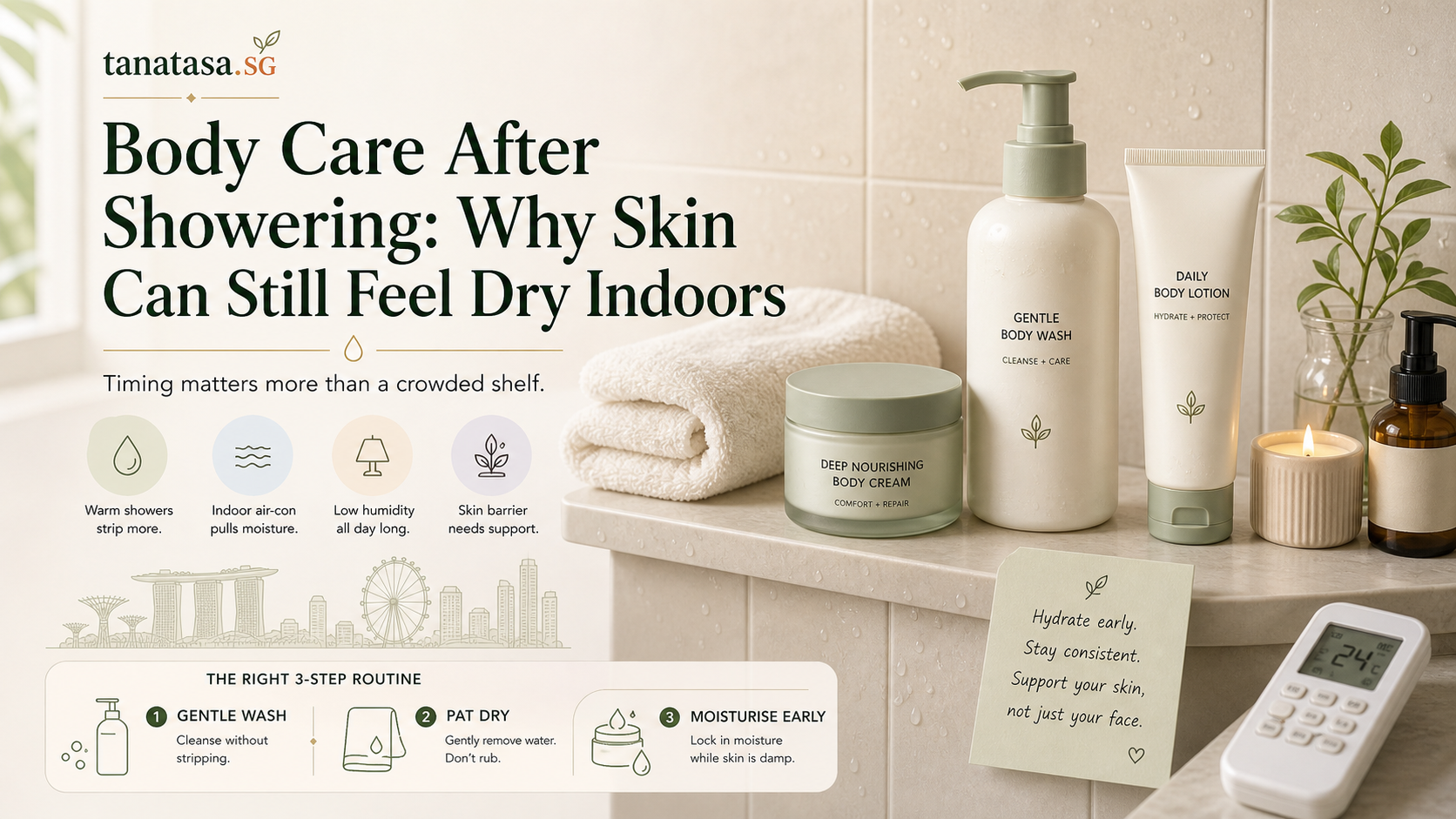
Start with a moisturising body wash or gentle cleanser if your skin feels dry. After showering, apply a body moisturiser while the skin is still slightly damp. If texture is the main concern, use an exfoliating body lotion a few nights a week rather than every night at first.
On non-exfoliation nights, use a plain moisturiser. If the area becomes itchy, red, or sore, reduce active frequency.
For many people, this boring routine works better than a shelf full of scrubs and peeling products.

How often to exfoliate
There is no universal schedule. Some people tolerate exfoliating body lotion daily. Others only tolerate two or three nights a week. Sensitive or eczema-prone skin may need even less.
Start low and increase only if the skin stays comfortable. If the bumps feel smoother but the skin looks redder, the routine may be too aggressive.
KP care should make the skin smoother and calmer, not smoother and angrier.
Also watch friction. Tight sleeves, rough fabrics, backpacks, and repeated rubbing can make bumpy areas look more inflamed. Skincare works better when the skin is not being irritated all day.
What not to combine at first
Avoid combining strong acid body lotion, physical scrub, retinol body product, and shaving irritation in the same window. That can create itching, burning, and more visible marks.
If you want to try body retinol, separate it from exfoliating acid nights. If you shave, avoid strong actives right after shaving until you know your skin tolerates them.
The fewer stressors you stack, the easier it is to maintain results.
The practical view
Keratosis pilaris is common, stubborn, and often overtreated. Scrubbing harder is usually not the answer.
Moisturise consistently. Use gentle chemical exfoliation if tolerated. Consider urea. Avoid picking and harsh friction. Be careful after shaving. Expect management, not instant perfection.
KP does not mean your skin is dirty or neglected. It means your follicles are dramatic about keratin, and the best response is steady care rather than a fight. Calm consistency usually beats aggressive weekend rescue attempts.