Barrier Ingredients Explained: Ceramides, Panthenol, Glycerin, and More
Barrier repair is not one magic ingredient. Learn what ceramides, panthenol, glycerin, squalane, dimethicone, and occlusives actually do in a routine.

# Barrier Ingredients Explained: Ceramides, Panthenol, Glycerin, and More
Barrier repair is one of the most common skincare promises, but the phrase can become blurry. A product says barrier support. Another says ceramide repair. Another says soothing, calming, or strengthening. The labels sound similar, but the ingredients do different jobs.
A healthy skin barrier depends on more than one ingredient. It needs water, lipids, protection from irritation, and enough time to recover. This is why the best barrier product is often not the most dramatic one. It is the one that gives your skin the type of support it is missing.
Here is how to understand common barrier ingredients without turning your bathroom shelf into a chemistry exam.
Glycerin: reliable hydration
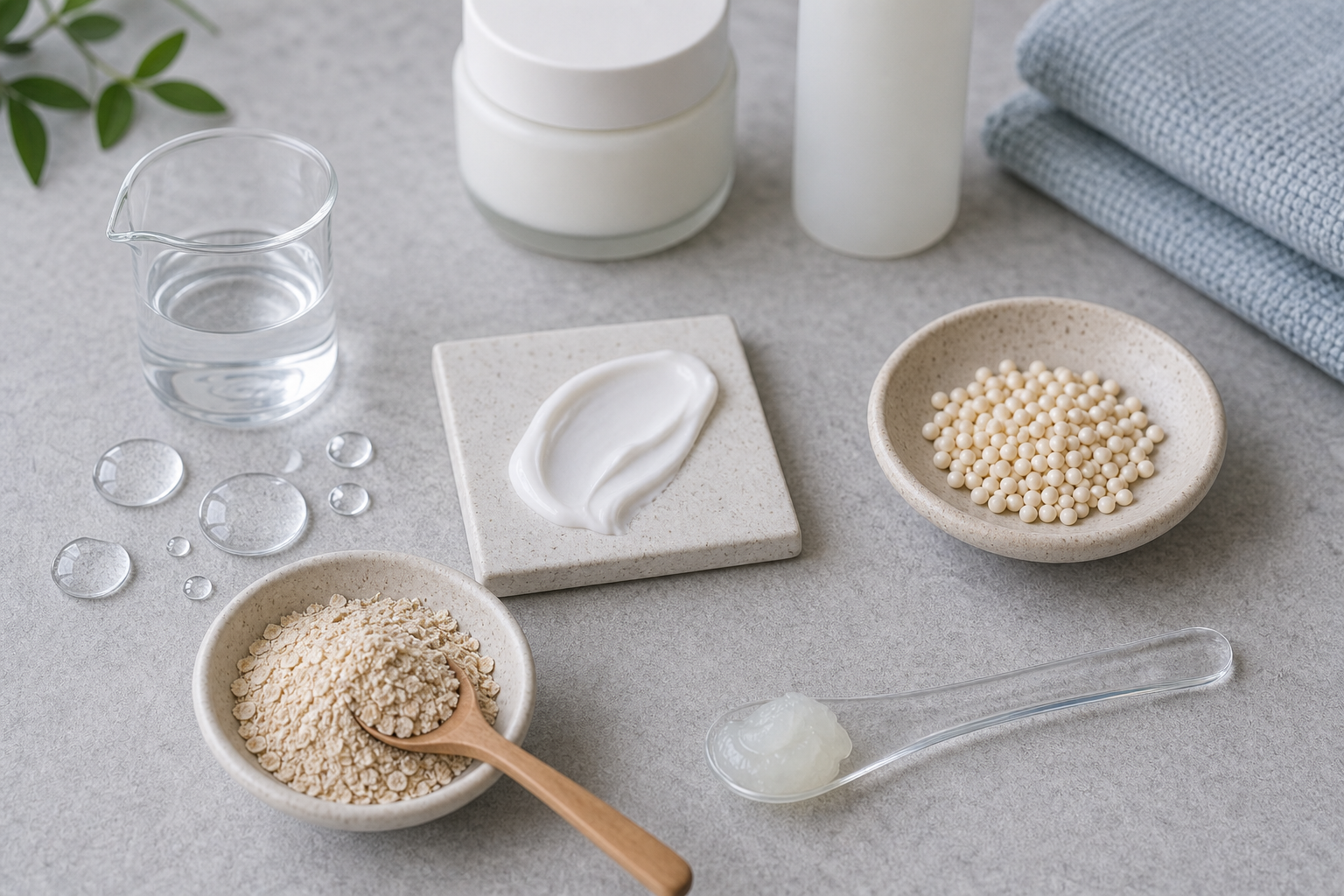
Glycerin is a humectant, which means it helps attract and hold water in the upper layers of the skin. It is one of the most useful and reliable moisturising ingredients in skincare.
Glycerin is not trendy in the loudest way, but it works. It appears in cleansers, toners, serums, moisturisers, body lotions, and hand creams. It can help skin feel more flexible and less tight.
If your skin feels dehydrated but dislikes heavy creams, glycerin-rich lightweight products can be helpful.
Hyaluronic acid: hydration, but not enough alone
Hyaluronic acid and sodium hyaluronate are also humectants. They can give a plump, hydrated feel and work well in light textures.
But hyaluronic acid is not a complete barrier routine by itself. If the skin is dry or irritated, it may need emollients and occlusives too. A watery serum without a supportive moisturiser may leave some skin feeling tight.
Think of hyaluronic acid as water support, not full repair.
Panthenol: comfort and soothing support
Panthenol, also known as provitamin B5, is useful for skin that feels irritated, dry, or easily upset. It can help skin feel calmer and more comfortable.
Panthenol is common in barrier creams, soothing serums, and moisturisers. It is not an instant cure for every reaction, but it is a good supporting ingredient when the routine needs to be gentle.
Sensitive skin often appreciates panthenol because it tends to be helpful without being too exciting.
Ceramides: barrier lipids
Ceramides are lipids naturally found in the skin barrier. In skincare, they are used to support the barrier and reduce water loss. They are especially useful in moisturisers for dry, sensitive, or barrier-stressed skin.
A ceramide product does not have to be thick. There are rich ceramide creams, but also lighter lotions and gel creams. Texture still matters.
Ceramides work best as part of a balanced formula. Ceramide on a label is helpful, but the whole product decides whether your skin likes it.
Cholesterol and fatty acids
Ceramides often work alongside cholesterol and fatty acids. These are also important barrier lipids. Some barrier formulas include all three to mimic the skin’s natural lipid structure.
These ingredients may not sound glamorous, but they can be useful when the skin feels dry, flaky, or compromised.
If your skin is oily but irritated, look for lighter formulas that include barrier lipids without feeling heavy.
Squalane: lightweight emollient
Squalane is an emollient that helps soften the skin and reduce a rough feel. It is often lightweight and elegant, which makes it popular for many skin types.
It can be helpful for dry patches, barrier comfort, and routines that need softness without a heavy greasy layer. Some acne-prone skin tolerates it well, while others may prefer lighter lotions.
As always, formula and personal tolerance matter.
Dimethicone and silicones
Silicones such as dimethicone can support the barrier by reducing water loss and creating a smooth protective feel. They are common in moisturisers, primers, and soothing creams.
Some people avoid silicones because they worry about clogging, but silicones are not automatically pore-clogging. Many sensitive-skin products use them because they can be protective and elegant.
If a silicone-containing product suits your skin, there is no need to fear it.
Occlusives: sealing support
Occlusives reduce water loss by forming a protective layer. Petrolatum is one of the most effective. Other occlusive or semi-occlusive ingredients include mineral oil, lanolin, waxes, and certain balms.
Occlusives can be very helpful for cracked lips, dry patches, irritated corners of the mouth, or compromised skin. But they may feel too heavy for some acne-prone areas.
Use them strategically. You do not always need a full-face balm layer.
Allantoin and colloidal oatmeal
Allantoin and colloidal oatmeal are soothing ingredients often used for sensitive or irritated skin. They can help reduce discomfort and support a calmer routine.
They are especially useful when the skin feels itchy, dry, or reactive. As with all ingredients, they work best in a formula that avoids unnecessary irritants for your skin.
What barrier repair cannot do
Barrier ingredients can support comfort, reduce dryness, and help the skin tolerate the routine better. But they cannot erase every skin concern.
They will not instantly remove acne, pigmentation, deep lines, or chronic rashes. They cannot compensate for constant over-exfoliation, harsh cleansing, or products that repeatedly irritate you.
Barrier repair works best when the rest of the routine stops causing damage.
How to choose a barrier product
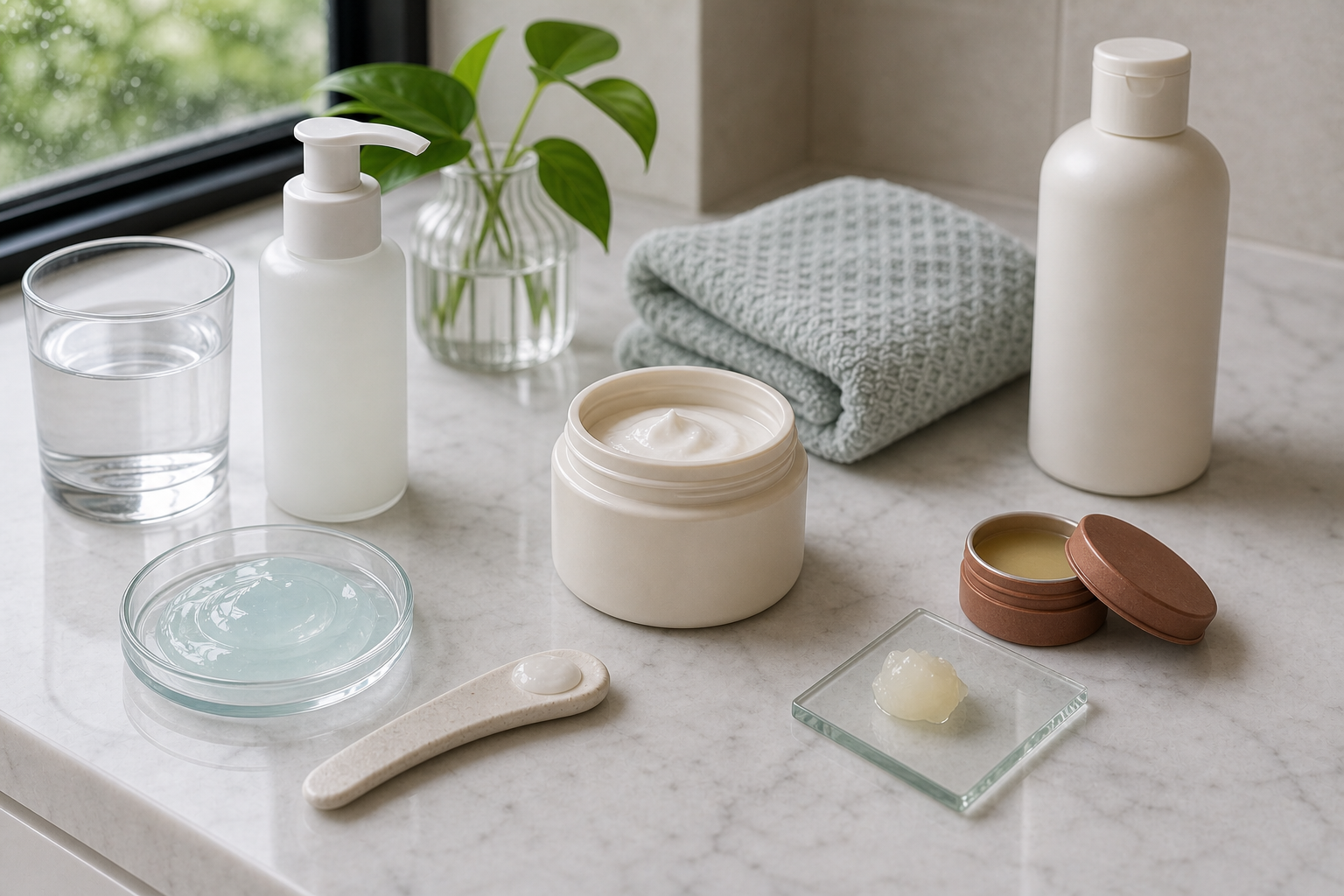
For oily but irritated skin, choose a lightweight gel cream or lotion with humectants and soothing ingredients.
For dry skin, choose a richer cream with ceramides, emollients, and some occlusive support.
For sensitive skin, choose fragrance-free formulas with fewer active extras.
For very dry patches, layer a simple occlusive over moisturiser at night.
For body dryness, a lotion with glycerin, panthenol, ceramides, or petrolatum may be more useful than a fancy face serum.
Do you need a separate barrier serum?
Not always. A good moisturiser can contain barrier ingredients already. Adding a serum may help if your skin likes layers, but it is not mandatory.
If your routine is already complicated, choose one good moisturiser instead of adding three barrier-themed steps.
The point of barrier care is comfort, not clutter.
The bottom line
Barrier repair is not one ingredient. Glycerin hydrates. Panthenol soothes. Ceramides, cholesterol, and fatty acids support barrier lipids. Squalane softens. Dimethicone and petrolatum help reduce water loss. Allantoin and oatmeal can comfort reactive skin.
Choose based on what your skin needs: water, softness, lipid support, or sealing. Keep the routine gentle enough for those ingredients to do their job.
A barrier product works best when it is part of a calmer routine, not a rescue attempt after daily irritation.

