When to Stop Retinol Before Facial, Waxing, Laser, or Travel
Retinol does not need to be used right up to every appointment or trip. Learn when pausing makes sense before facials, waxing, lasers, peels, and travel.

# When to Stop Retinol Before Facial, Waxing, Laser, or Travel
Retinol works best when used consistently, but consistency does not mean using it through every facial, wax, peel, laser session, beach trip, or long-haul flight. Sometimes the smartest retinol move is pausing.
Retinoids can make skin more sensitive, dry, and reactive, especially if you are still adjusting. Procedures and travel can also stress the skin. Combining them without planning can lead to irritation, peeling, burns, or a treatment result that is harder to manage.
The exact pause time depends on your product, strength, skin tolerance, and the treatment. When in doubt, ask the professional doing the procedure. But there are practical patterns beginners can understand.

Why pausing matters
Retinol and other retinoids affect skin turnover. This can be useful for texture, acne, and tone, but it can also make the skin less forgiving when combined with exfoliation, waxing, lasers, peels, or harsh weather changes.
If the skin is already dry or peeling, a procedure can feel more intense. Wax may lift skin. Peels may penetrate unpredictably. Lasers may irritate more. Facials with extractions or acids may leave the face angrier than expected.
Pausing does not erase your progress. It is a way to protect the skin so you can continue later.
Before a basic facial
For a gentle hydrating facial, some people may only need a short pause. For facials that include extractions, exfoliation, strong acids, microdermabrasion, or devices, a longer pause may be sensible.
A common practical approach is to stop retinol several days before the appointment, especially if your skin is sensitive or new to retinoids. Ask the facialist what they recommend based on the treatment.
Also tell them you use retinol. Do not assume they will know from looking at your skin.
Before chemical peels
Chemical peels already exfoliate or resurface the skin. Using retinol too close to a peel can increase irritation risk.
For stronger peels, follow the clinic or professional instructions carefully. They may ask you to stop retinoids for a specific period before and after. Do not improvise with your normal night routine because your skin "usually tolerates it".
After a peel, wait until the skin is fully calm and the professional says it is safe before restarting.
Before waxing or threading
Waxing over retinoid-treated skin can increase the risk of skin lifting, raw patches, and irritation. This is especially important for upper lip, brows, cheeks, and other facial waxing.
If you use retinoids, tell the person doing the waxing. Consider pausing beforehand and choosing threading or other hair-removal methods only if appropriate for your skin.
Even threading can irritate sensitive skin, though it does not remove skin the same way wax can. If the area is peeling, stinging, or inflamed, postpone hair removal.
Before laser or energy treatments
Lasers and energy-based treatments vary widely. Hair removal, pigmentation lasers, resurfacing lasers, IPL, radiofrequency, and other devices do not all have the same rules.
Follow the clinic instructions. They may ask you to stop retinoids, exfoliating acids, benzoyl peroxide, or other actives before treatment. They may also give aftercare rules for when to restart.
This is not the time to guess based on a friend's routine. Device settings, skin tone, treatment area, and skin history matter.
Before travel
Travel can disrupt skin: dry cabin air, sleep changes, new climates, more sun exposure, different water, hotel toiletries, masks, stress, and irregular cleansing.
If your skin is already stable on retinol, you may continue during low-stress travel if you keep the routine simple. But if you are travelling for a beach holiday, outdoor trip, wedding, work event, or long flight with little recovery time, pausing may be wise.
Do not start retinol for the first time one week before a trip. That is how people meet their skin at its most dramatic moment in the worst lighting possible.
Before big events
If you have a wedding, photoshoot, presentation, graduation, or important event, avoid experimenting with retinol too close to the date. Even a good product can cause adjustment dryness.
If retinol is already part of your stable routine, you may not need a long pause. But if you are peeling, irritated, or tempted to increase frequency for a last-minute glow, resist.
The best pre-event skincare is usually boring and predictable.
After procedures, restart slowly
After facials, peels, lasers, waxing, or strong treatments, do not rush back to retinol just because the appointment is over. Wait until the skin is calm: no burning, rawness, unusual redness, peeling, or tenderness.
When restarting, begin with lower frequency. Use moisturiser. Avoid combining retinol with acids or strong actives immediately.
Your skin may tolerate retinol normally most of the year and still need a slower restart after a procedure.

What to use while pausing
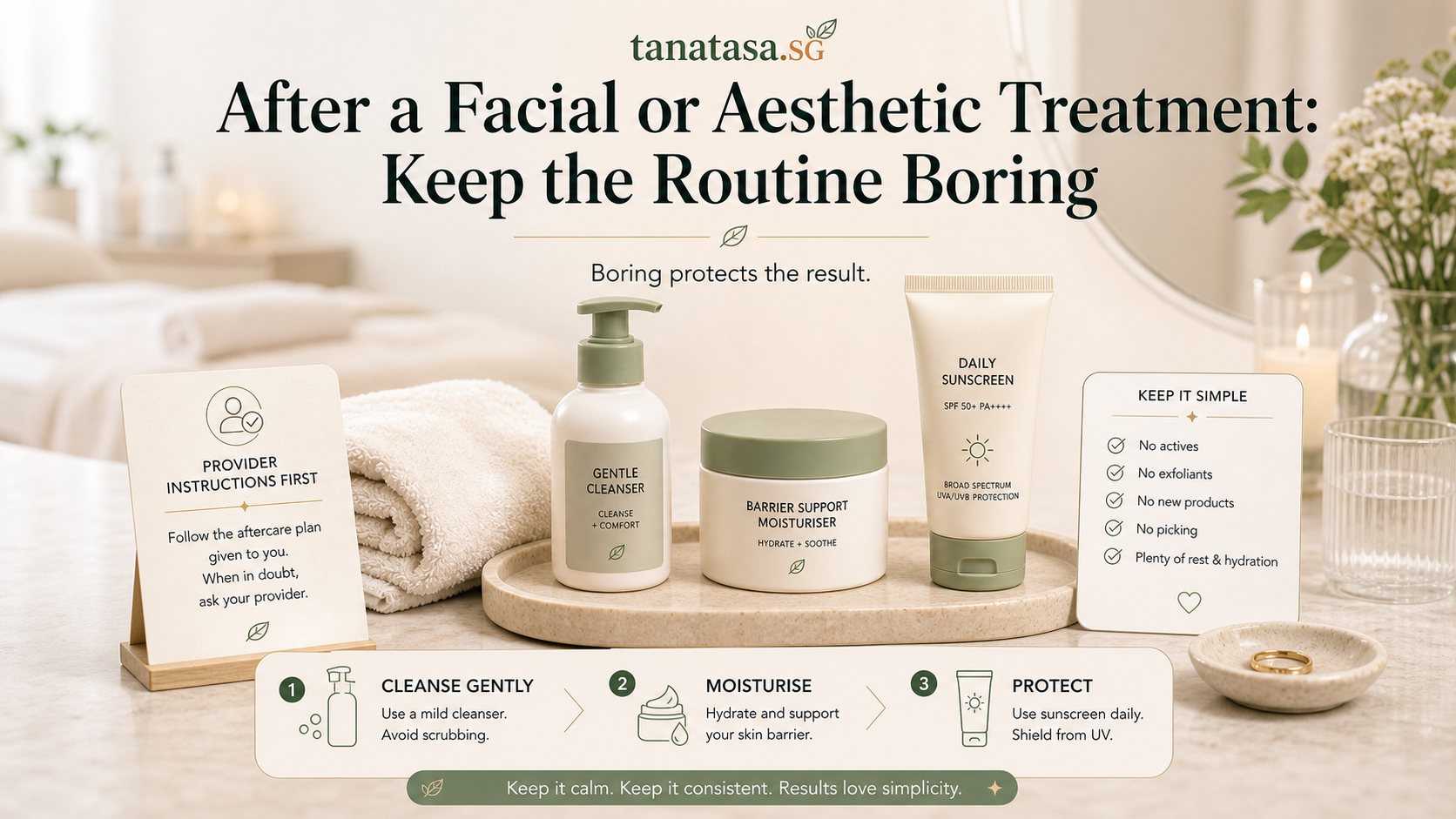
Pausing retinol does not mean doing nothing. Use a gentle cleanser, moisturiser, and sunscreen. If the skin is dry or irritated, focus on barrier support.
Avoid replacing retinol with another strong active. A pause is not useful if you stop retinol but continue exfoliating acids, scrubs, strong brightening products, and harsh masks.
Keep the routine calm so the skin can handle the appointment or travel.
Ask before guessing
If a clinic, facialist, doctor, or treatment provider gives specific instructions, follow those over generic online advice. Tell them what you use: retinol, retinal, tretinoin, adapalene, acids, benzoyl peroxide, exfoliating toners, peels, and recent procedures.
People often forget to mention over-the-counter products because they do not feel medical. But strong skincare still matters.
Clear information helps prevent avoidable irritation.
A practical pause window
For a gentle facial, some people pause retinol for about two to three nights beforehand. For stronger exfoliating facials, peels, waxing, or laser treatments, the pause may need to be longer, often around five to seven days or more depending on the treatment and your skin.
These are not universal rules. Prescription retinoids, sensitive skin, recent irritation, deeper peels, and energy treatments may require specific professional instructions.
After the treatment, restart only when the skin feels normal again. That may be a few days after a mild facial or longer after a peel or laser. If the skin is still warm, peeling, raw, swollen, or tender, wait.
What not to do during the pause
Do not stop retinol and replace it with an acid toner every night. Do not scrub before waxing because you want the skin smooth. Do not use a peeling mask before laser because you want better results. Do not test a new brightening serum before travel because the bottle looks promising.
The pause should reduce irritation risk. It should not become a different form of irritation.
If you are worried about losing progress, remember that a few calm nights rarely undo months of routine. A bad reaction before an important appointment can create a much bigger setback.
The practical view
Retinol is useful, but it does not need to be used through every skin stressor. Pause before procedures when recommended. Be extra careful with waxing, peels, lasers, and new travel conditions. Do not start or intensify retinol right before an event.
During the pause, keep the routine boring: cleanse gently, moisturise, use sunscreen, and avoid new experiments.
A short break is not failure. It is routine management. Good skincare includes knowing when to stop.