Why Your Lips Stay Dry Even When You Use Lip Balm
Lip balm helps, but dry lips can keep returning because of licking, matte lipstick, toothpaste, picking, dehydration, irritation, or using the wrong balm texture.

# Why Your Lips Stay Dry Even When You Use Lip Balm
Dry lips seem like they should be easy to fix. Apply lip balm, feel better, move on. But many people keep reapplying all day and still wake up with tight, flaky, or cracked lips. The balm helps for a while, then the dryness returns.
That does not always mean the lip balm is useless. Sometimes the problem is the texture. Sometimes the lips are being irritated by licking, picking, toothpaste, matte lipstick, spicy food, or a balm that smells nice but does not protect enough.
Lip care is simple, but it works best when you remove the habits that keep undoing it.
Why lips dry out easily
Lip skin is thinner and has fewer oil glands than much of the face. It loses moisture easily and is exposed to talking, eating, drinking, wiping, and weather changes. It also gets touched often without us noticing.
Because lips do not have the same barrier support as other skin, they often need an occlusive layer that reduces water loss. A watery product alone usually will not be enough.
Lip licking makes dryness worse
Licking dry lips feels helpful for a few seconds, but saliva evaporates quickly and can leave lips drier. Enzymes in saliva can also irritate the skin around the mouth.
If your lips are constantly dry, pay attention to whether you lick them without noticing. Keep a plain balm nearby and apply that instead. This habit change can matter more than buying another fancy lip product.
Picking flakes delays healing
Flaky lips are tempting to pick. But pulling flakes can create tiny wounds, bleeding, and more peeling. The lips then feel rough again, so the cycle continues.
If lips are flaky, soften them first. Apply a thick balm or ointment and let the flakes loosen naturally. Avoid aggressive scrubs. A damp soft cloth can help gently remove loosened flakes, but only when the skin is not cracked or painful.
Matte lipstick and long-wear formulas
Matte lipsticks, stains, and long-wear formulas can be drying for some people. They are designed to stay put, which often means less comfort. If you wear them often, lips may need more recovery time.
Use balm before and after, remove long-wear products gently, and take breaks when lips feel irritated. If a formula repeatedly leaves your lips cracked, it may not be worth the look.
Toothpaste and mouth products
Toothpaste, mouthwash, whitening products, and strong mint flavours can irritate the lips or skin around the mouth. If dryness clusters at the lip border or corners, consider whether toothpaste is involved.
Try rinsing well after brushing, avoiding toothpaste residue on the lips, and applying a bland balm after brushing. If irritation persists, consider a gentler toothpaste and seek advice if needed.
Fragrance and flavour in lip balm
Flavoured lip balms can be enjoyable, but fragrance, essential oils, menthol, peppermint, cinnamon, citrus, and plumping ingredients can irritate some lips. The product may feel cooling or tingly, but that sensation is not always helpful.
If your lips are chronically dry, try a bland fragrance-free balm or ointment for two weeks. Remove the fun flavours from the experiment. If lips improve, you have learned something useful.
Humectants need sealing
Some lip products contain humectants such as glycerin or hyaluronic acid. These can help attract water, but lips often still need an occlusive layer to seal comfort in.
A practical approach is to apply a simple hydrating layer if you like, then seal with a balm or ointment. But you do not need a complicated lip routine. A good occlusive balm alone may be enough.
What balm textures work best
For mild dryness, a comfortable stick balm may be enough. For cracked or recurring dryness, thicker ointments often work better. Petrolatum, lanolin if tolerated, mineral oil, shea butter, waxes, and dimethicone can all help reduce water loss.
Some people prefer lighter balms during the day and thicker ointment at night. That is sensible. The best lip balm is one you can use without irritation.
Overnight lip care
Night is a good time to repair lips because you are not eating, drinking, or wiping product away as often. Apply a thicker balm or ointment before sleep. If mouth breathing contributes to dryness, you may need to address that too.
Do not apply strong exfoliating products to cracked lips overnight. Keep it bland and protective.
Corners of the mouth need caution
Cracks at the corners of the mouth can be from dryness, irritation, saliva, yeast, or other causes. If the corners are painful, split, crusted, or keep returning, seek medical advice. Regular lip balm may not be enough.
Avoid picking or stretching the area. Keep it clean and protected while you figure out the cause.
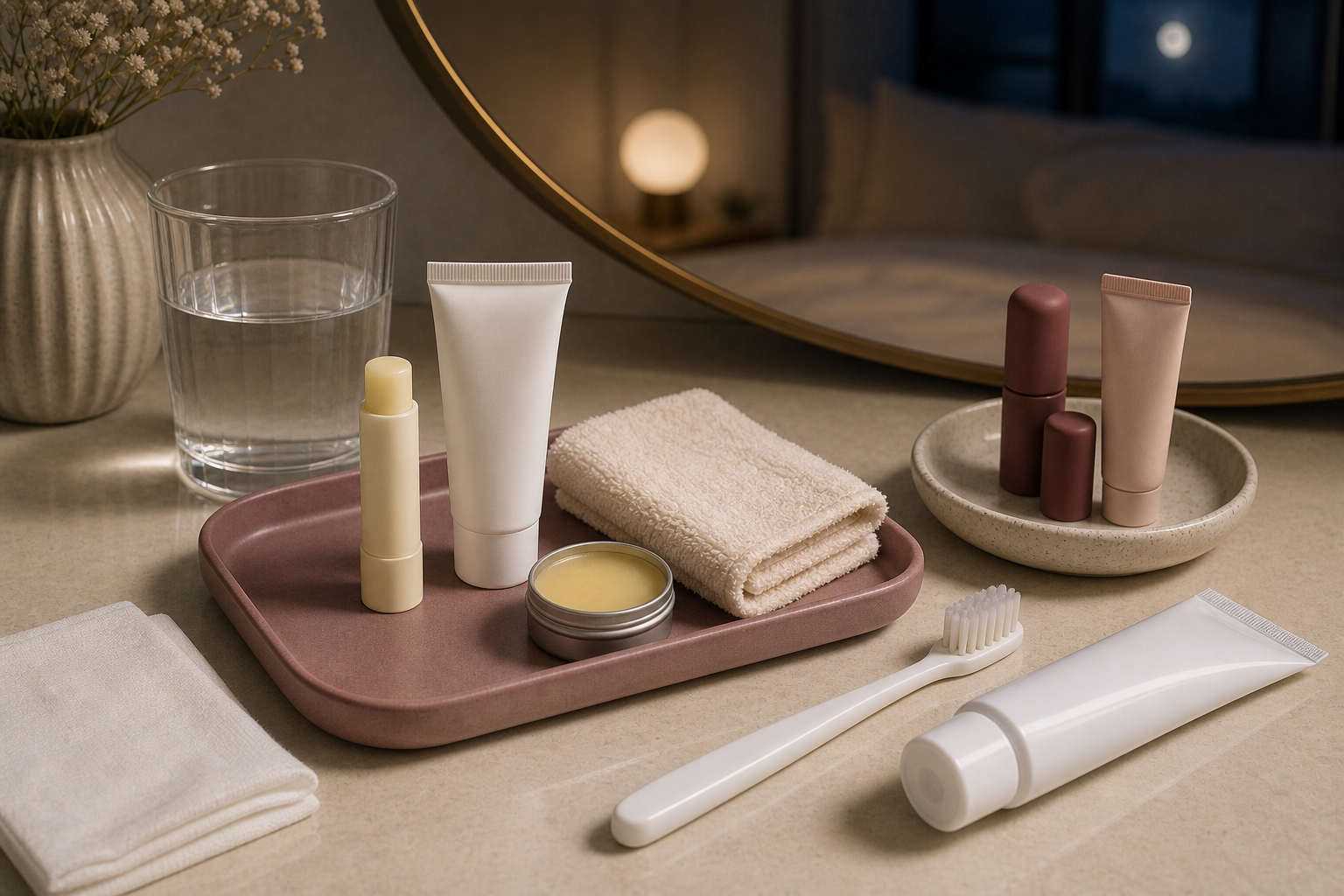
A simple dry-lip reset
For one to two weeks:
Stop flavoured or tingling balms.
Use a bland balm or ointment.
Apply after brushing teeth.
Avoid licking and picking.
Take breaks from matte lip products.
Use a thicker layer at night.
If lips improve, reintroduce other lip products slowly. If they worsen again, you have a clue.
When to seek help
Seek medical advice if lips are severely cracked, bleeding, swollen, oozing, crusted, very painful, or not improving despite a bland routine. Also seek help if the rash spreads around the mouth or if you suspect allergy.
Lips are small, but chronic irritation can be stubborn.
The bottom line
Lip balm helps when it protects the lips and does not irritate them. But dry lips can keep returning if you lick, pick, use drying lip products, leave toothpaste residue, or rely on scented balms that your lips dislike.
Keep lip care boring for a while. Use a bland protective balm, especially at night. Stop the habits and products that keep restarting dryness.
Comfortable lips usually come from consistency, not from the most exciting balm in the drawer.
